





Amazing Guide on Chemical and oil-resistant cables – 2026 Latest


Engineering Resilience: A Deep Dive into Chemical and Oil-Resistant Cables for Petrochemical Environments
In the heart of a refinery or a petrochemical plant, the environment is nothing short of hostile. Between the relentless exposure to corrosive hydrocarbons, fluctuating thermal loads, and the mechanical stress of industrial operations, the “nervous system” of the facility—its cabling—is constantly under siege.
When we discuss specialized infrastructure, we aren’t just talking about moving electrons from point A to point B. We are talking about maintaining the integrity of safety systems and operational continuity in environments where a single cable failure can lead to catastrophic downtime or, worse, a secondary hazardous event.
The Science of Resistance: Why Standard Cables Fail
Standard PVC or general-purpose rubber cables are designed for “clean” environments. In a refinery, these materials act like sponges. When exposed to crude oil, gasoline, or aggressive solvents, the plasticizers within standard insulation begin to leach out. This process, known as polymer degradation, causes the cable jacket to become brittle, crack, or swell.
Once the outer sheath is compromised, moisture and chemicals penetrate the core, leading to short circuits and insulation breakdown. In a petrochemical setting, “resistance” isn’t just a luxury.
Critical Material Science: Fluoropolymers and Elastomers
To withstand the rigorous demands of a plant, engineers must look toward high-performance materials. The choice of insulation and jacketing determines the lifespan of the installation.
1. Fluoropolymers (PTFE, ETFE, FEP)
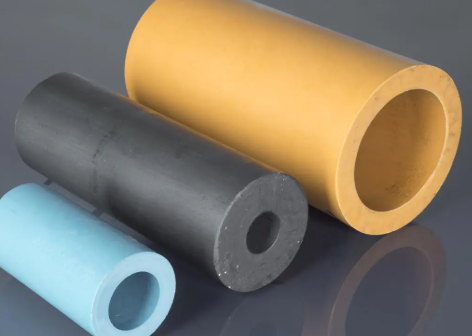
Fluoropolymers like Teflon (PTFE) or Tefzel (ETFE) are the gold standard for chemical inertness. Their molecular structure—a strong carbon-fluorine bond—makes them virtually impervious to almost all acids, alkalis, and organic solvents. They also boast an impressive temperature range, often performing reliably from $-65°C$ to $+200°C$.
2. Thermoplastic; Elastomers (TPE)
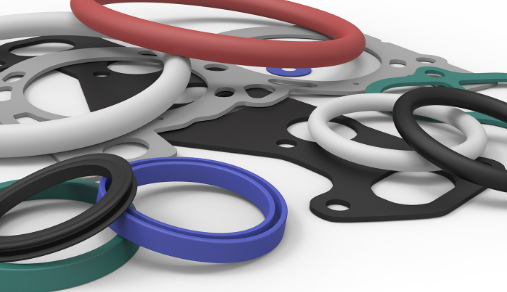
TPE is a versatile choice for environments requiring flexibility. It combines the processing advantages of plastics with the oil resistance of rubbers. It is particularly effective against mineral oils and is often used in tray cables (TC-ER) where ease of installation is a priority.
3. Cross-linked Polyethylene (XLPE)
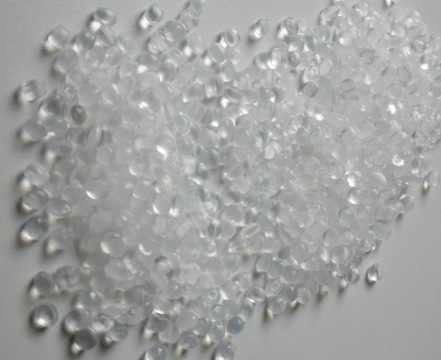
While XLPE is primarily known for its thermal properties, when specifically formulated, it provides excellent resistance to environmental stress cracking and chemical permeation, making it a staple for power distribution in refineries.
Navigating International Standards: IEC 60502-1 and Beyond
Trustworthiness in the industrial sector is built on adherence to rigorous testing. If you are sourcing or specifying cables for a petrochemical project, you must look for compliance with recognized benchmarks:
- IEC 60502-1: This standard specifies the construction, dimensions, and test requirements for power cables with extruded insulation. For refineries, ensure the cable includes a lead sheath or a specialized chemical barrier if it is to be buried in contaminated soil.
- NEK 606: Common in offshore and oil/gas applications, this Norwegian standard focuses on halogen-free, mud-resistant cables—essential for preventing toxic smoke in the event of a fire.
- EN 50363: This provides the requirements for insulating and sheathing materials, specifically categorizing their oil resistance levels.
The Role of Mechanical Protection: Armoring and Lead Sheaths
In many petrochemical plants, the threat isn’t just liquid; it’s the soil itself. Hydrocarbons can permeate through plastic layers over time. This is where Lead Sheathed Cables come into play.
A thin layer of lead provides an absolute barrier against moisture and chemicals. While heavier and more difficult to terminate, lead-covered cables are the traditional “fail-safe” for underground installations in refineries. For mechanical protection against physical impact or rodent damage, Steel Wire Armor (SWA) or Steel Tape Armor (STA) is applied over the inner bedding.
Installation Best Practices: Ensuring Long-Term Reliability
Even the highest-quality chemical-resistant cable can fail if installed poorly. To ensure your facility remains “RankMath” ready for safety audits, follow these professional guidelines:
- Bend Radius Integrity: Never exceed the manufacturer’s recommended minimum bend radius. Over-stressing the jacket can create micro-fractures where chemicals can begin their “wicking” process.
- Sealing and Gland Selection: Use explosion-proof (Ex d) or increased safety (Ex e) cable glands that are specifically rated for oil resistance. A cable is only as chemical-resistant as its weakest entry point.
- Separation of Services: Ensure that control and signal cables are properly shielded and separated from high-voltage power lines to prevent electromagnetic interference (EMI), especially near heavy pumping equipment.
Sustainability and Future-Proofing
The industry is moving toward “Low Smoke Zero Halogen” (LSZH) materials that are also oil-resistant. Traditionally, these two properties were hard to combine. However, modern polymer science now allows for cables that do not release toxic gases during a fire while remaining resilient against oil splashes. This dual-capability is becoming a standard requirement for indoor processing units.
Conclusion: Investing in Reliability
Choosing the right cable for a refinery is a balance of chemistry, mechanical engineering, and cost-efficiency. While the upfront cost of a PTFE-insulated or lead-sheathed cable is higher, the ROI is found in the avoided costs of emergency repairs and lost production time.
For plant managers and electrical engineers, the goal is simple: Zero Failures. By selecting cables designed specifically for chemical and oil resistance, you aren’t just buying a product; you are securing the future of your infrastructure.
