


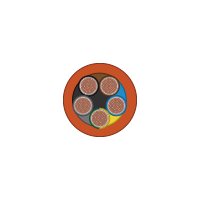



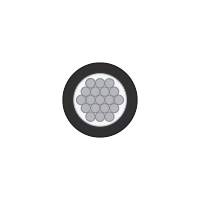
6mm Twin Core Solar Cable Price in Pakistan (2026 Rates) – Amazing Guide


Switching your solar setup to a premium DC cable isn’t just about maximizing power efficiency—it’s a critical safety decision for your property. When dealing with high-voltage DC electricity from modern solar panels, ordinary AC wiring simply cannot cope.
In Pakistan’s current 2026 market, the 6mm twin-core solar cable has emerged as the b aseline standard for residential and commercial hybrid/on-grid installations ranging from 3kW up to 20kW.
6mm Twin Core Solar Cable Price in Pakistan
The market price for premium, multi-strand 6mm twin-core solar cables currently ranges between PKR 380 and PKR 520 per meter. If you are buying in bulk, a standard 90-meter coil (90m single/twin pack) ranges between PKR 34,200 and PKR 46,800.
Because the local cable industry is tied directly to global commodities and national import policies, prices shift frequently. Below is an updated market matrix representing current rates from major wholesale hubs like Shah Alam Market (Lahore), College Road (Rawalpindi), and Bolton Market (Karachi).
Estimated Retail Price Matrix (Per Meter)
| Brand / Quality Tier | Material Type | Price Range (PKR / Meter) | Best Used For |
| Tier 1 (Premium) (e.g., Life Cables, Pakistan Cables) | 99.9% Tinned Copper (XLPE/PVC) | PKR 460 – PKR 520 | High-efficiency setups, long-term 10kW+ residential systems |
| Tier 2 (Standard Commercial) (e.g., Fast Cables, GM Cables) | 99.9% Tinned Copper (XLPO) | PKR 400 – PKR 450 | Standard 3kW to 6kW hybrid home systems |
| Tier 3 (Budget / Unbranded) (Local Market Extrusions) | Pure Copper / Semi-Tinned | PKR 320 – PKR 370 | Not recommended for solar DC runs over 5 meters |
Why 6mm Twin Core? The Sweet Spot for Pakistani Solar Installs
A common question we face during on-site technical audits is: “Can I save money and use 4mm cable instead?”
While 4mm works fine for short, low-amperage strings, Pakistan’s scorching summer temperatures often exceeding 45°C drastically increase electrical resistance. High resistance causes voltage drop, which directly chokes your inverter’s daily yield.
A 6mm cross-sectional area provides a lower resistance pathway, ensuring that your system keeps power drop below the industry-standard 1% threshold, even over long distances from the roof to the inverter room. Furthermore, a twin-core design houses both the positive (red) and negative (black) insulated cores within a rugged, UV-stabilized outer sheath. This saves significant installation time and provides double layer protection against physical wear and weather damage.
Technical Specifications You Must Verify Before Buying
Do not buy a solar cable based on the price tag alone. To comply with local net-metering requirements and international safety standards, ensure your vendor provides a cable matching these exact specifications:
- Conductor Material: Class 5 flexible tinned copper strands. (Tinning prevents the copper from oxidizing and turning green when exposed to moisture).
- Insulation & Jacket: Cross-linked Polyethylene (XLPE) or Cross-linked Polyolefin (XLPO).
- Temperature Rating: -40°C to +90°C (with a maximum conductor short-circuit threshold of 120°C).
- Voltage Rating: AC: 0.6/1.0 kV; DC: 1.5 kV (crucial for modern high-voltage string inverters).
- Standards Compliance: TUV, CE, EN 50618, or local PSQCA registration.
Factors Driving the 2026 Cable Price Fluctuations
If you notice price differences between quotes, it is usually driven by three major economic and structural factors:
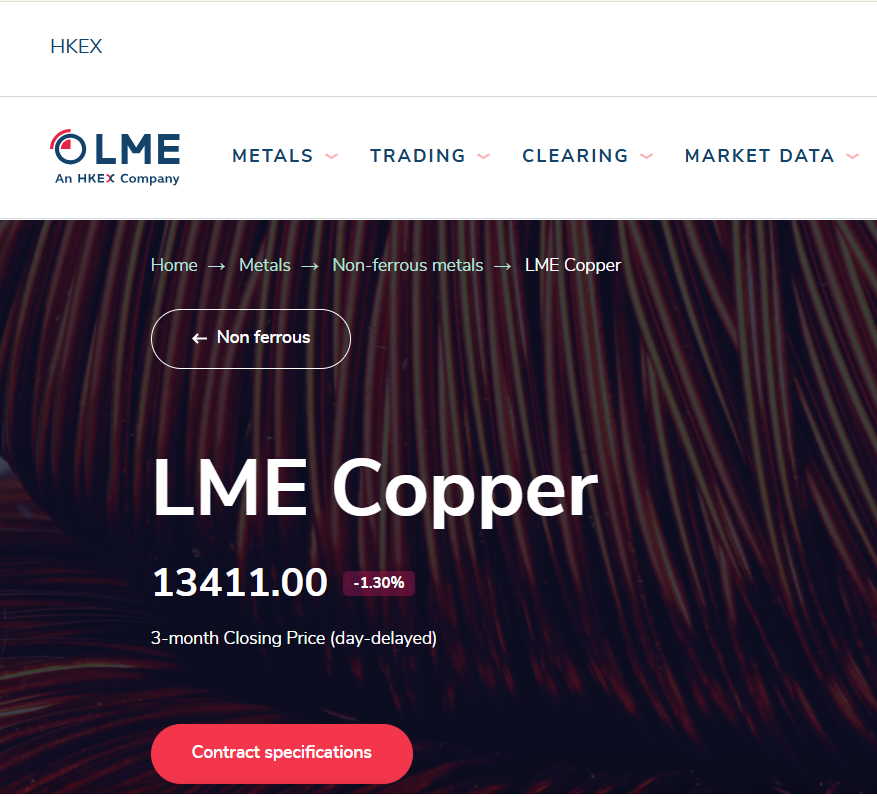
1. Global LME Copper Prices
Copper is traded globally on the London Metal Exchange (LME). Because solar cables require exceptionally pure, oxygen-free copper, any upward swing in global metal prices instantly reflects in the per-meter rate at local hardware retail shops within 48 hours.
2. Tinned vs. Bare Copper
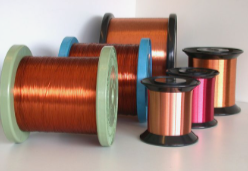
Unscrupulous installers often use standard bare copper AC cables for DC solar applications to lower their bids. True solar cables use tinned copper. The tinning process adds processing costs, making authentic solar cables roughly 15% to 20% more expensive than standard copper options—but it extends the lifespan of your array from 3 years to over 25 years.
3. Double Insulation Materials
Cheap cables use low-grade PVC outers that crack under Pakistan’s harsh UV rays within 18 months. Premium options utilize electron-beam cross-linked compounds (XLPO/XLPE) which resist solar radiation, ozone degradation, and flame propagation.
How to Spot Fake Solar Cables: An Insider Checklist
The local Pakistani market is flooded with sub-standard or copycat brands that look identical on the outside but pose a massive fire hazard. Use this checklist during delivery:
- The Scratch Test: Use a sharp knife to scrape the silver-colored surface of a single wire strand. If it reveals pinkish/yellowish copper underneath, it is genuine tinned copper. If it reveals a bright silvery white or grey center, it is Aluminum coated with copper (CCA). CCA cables melt under prolonged solar loads.
- The Legend Print: Genuine manufacturers cleanly laser-print or emboss the specifications along the jacket. Look for crisp lettering stating the gauge size (
2x6mm²), temperature limits, voltage rating, and standard marks (likeEN 50618). If the print smudges off easily with a little rubbing alcohol, walk away. - Weight Verification: A genuine 90-meter coil of pure 6mm twin-core solar cable is heavy due to the copper density. If a coil feels suspiciously light or easily manageable with one hand, the manufacturer has likely skimped on the actual copper conductor cross-section.
Final Verdict: Is It Worth Splurging on Premium 6mm Cable?
Cutting corners on your DC delivery system to save PKR 10,000 on a multi-million rupee solar asset is a classic mistake. Substandard cables lead to poor system performance, net-metering inspection failures, and in worst-case scenarios, arc-fault electrical fires.
Invest in a certified, tinned-copper 6mm twin-core cable from reputable brands or verified local distributors. It guarantees that the power generated by your panels safely and efficiently reaches your appliances for decades to come.
