

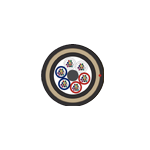
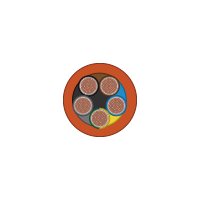



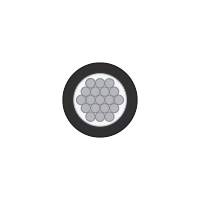
Why 7/64 3-Core Silver Wire is Best for Outdoor Extension Cords


If you have ever run a heavy-duty lawnmower, set up high-powered outdoor event lighting, or hooked up a temporary power tool station in your yard, you know that standard indoor extension cords don’t cut it. They heat up, degrade under the sun, and risk short-circuiting at the first sign of morning dew.
When you need an outdoor extension setup that balances raw electrical conductivity with extreme weather resistance, a durable 7/64 3-core silver wire stands out as an elite solution.
But what exactly do these numbers mean, why does the “silver” coating matter, and is it worth the investment for your outdoor projects? Let’s break it down based on real-world electrical standards and hands-on installation experience.
Decoding the Specs: What is 7/64 3-Core Silver Wire?
Before looking into the performance benefits, let’s translate the technical jargon into everyday terms. When an electrician or wire manufacturer refers to a “7/64 3-core” specification, they are describing the internal anatomy of the cable:
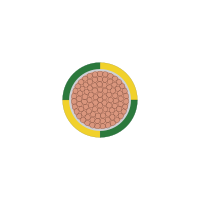
- 7/64 Composition: This means each individual conductor inside the cable is made up of 7 strands of wire, and each single strand measures 0.064 inches in diameter. Stranded wiring is crucial for outdoor extensions because it allows the cable to bend, roll, and twist repeatedly without breaking the internal metal.
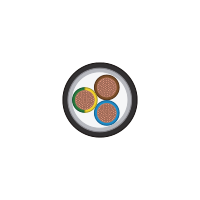
- 3-Core Configuration: The cable houses three completely isolated internal wires. These represent the Live (Phase), Neutral, and Earth (Ground) lines. For any outdoor appliance or tool, a 3-core setup is non-negotiable for safety, as the ground wire protects you from electrical shocks if a fault occurs.
The Silver Advantage: Tinned Copper vs. Pure Silver
When you hear the term “silver wire” in heavy-duty extension cables, it almost always refers to tinned copper or silver-plated copper conductors.
Pure copper is an excellent conductor, but it has a major weakness: oxygen and moisture. When raw copper is exposed to outdoor humidity, it oxidizes, turning green and losing its ability to conduct electricity efficiently.
By electroplating or coating the copper strands with a fine layer of silver or tin, manufacturers create a powerful protective barrier.
1. Superior Corrosion Resistance
Outdoor extensions face rain, humidity, soil contact, and temperature shifts. The silver coating prevents the copper underneath from oxidizing. This means your wire maintains its low resistance and high performance for years instead of corroding after a single wet season.
2. Reduced Electrical Resistance
Silver has the highest electrical conductivity of any metal. The silver skin effect ensures that high-frequency currents flow smoothly across the outer surface of the strands, reducing energy loss and preventing the cable from heating up under heavy loads.
Why This Specific Wire Excels in Outdoor Environments
Using a 7/64 3-core silver cable outdoors offers clear practical advantages over cheaper, standard utility store alternatives.
High Amperage and Load Management
The physical thickness provided by the 7/64 configuration means the wire can comfortably handle high-current loads. Whether you are running a 15A pressure washer or a series of outdoor halogen floodlights, this wire profile prevents voltage drops over long distances. Your tools run at full power without straining their internal motors.
Flexibility in Extreme Cold and Heat
Cheap PVC extension cords turn stiff as a board in cold weather, making them incredibly difficult to unroll or pack away. High-grade 7/64 outdoor cables are typically paired with tough rubberized jackets (like HO7RN-F or heavy-duty synthetic elastomers). Combined with the stranded silver-plated cores, the wire remains highly flexible even in freezing temperatures.
Technical Specifications at a Glance
When selecting or verifying your wire quality, keep these standard benchmarks in mind to match your specific power requirements:
| Feature | Specification Details | Practical Benefit |
| Conductor Material | Silver-plated / Tinned High-Purity Copper | Prevents green oxidation; maintains peak conductivity. |
| Stranding Metric | 7 strands / 0.064″ per strand | High flexibility; resists snapping when pulled or stepped on. |
| Core Count | 3 Cores (Live, Neutral, Ground) | Full ground fault protection for outdoor power safety. |
| Common Insulation | Weatherproof PVC or Synthetic Rubber | Resists UV degradation, oil, water, and abrasion. |
Step-by-Step Guide: How to Safely Prep a 7/64 3-Core Wire for Outdoor Plugs
If you are buying this premium wire by the meter to assemble your own high-performance outdoor extension cord, correct termination is vital to keep the system weather-tight.
1.Strip the Outer Jacket:Requires heavy-duty cable strippers.
Carefully score and remove 1.5 inches of the thick outer protective jacket. Be incredibly careful not to nick the insulation of the three colored internal cores.
2.Expose the Silver Cores:Strip individual lines.
Strip away roughly 0.5 inches of insulation from the Live (typically Brown/Red), Neutral (Blue/Black), and Ground (Green/Yellow) wires to expose the shiny silver-plated strands.
3.Twist and Prep the Strands:Maintain conductor unity.
Firmly twist the 7 individual strands of each core together clockwise. This keeps the wires tightly bundled so no loose strands stray outside the plug terminals.
4.Wire into an IP66 Weatherproof Plug:Crucial for outdoor use.
Insert the twisted silver cores into their matching terminals inside an IP66-rated heavy-duty outdoor plug. Tighten the terminal screws down firmly, ensure the rubber compression gland at the base of the plug is clamped tightly around the outer jacket to seal out moisture, and close the housing.
Frequently Asked Questions (FAQs)
Can I bury a 7/64 3-core silver extension wire directly underground?
No, unless the cable is specifically designated as Direct Burial (DB) or armored (like SWA cables), standard outdoor extension wires should not be buried directly in soil. Moisture, rocks, and soil acidity can eventually degrade the jacket. If you must run it underground, always route it through a protective PVC conduit.
How can I distinguish between genuine silver/tinned wire and cheap aluminum?
Genuine silver-plated wire uses copper as its base, meaning if you cut a strand or scrape the silver coating away, you will see a bright, warm copper color underneath. Cheap alternative wire like Copper-Clad Aluminum (CCA) features a silvery aluminum center with a thin copper skin outside, which is significantly lighter, highly brittle, and unsafe for heavy outdoor currents.
What happens if I use a 2-core wire instead of a 3-core wire outdoors?
Using a 2-core wire eliminates the dedicated ground channel. If water leaks into your outdoor tool or plug, the electrical current will seek the fastest path to the ground—which could be your body. Always use a 3-core wire for outdoor equipment to ensure proper grounding safety.
About the Author

Ahmad Raza Ali is a Digital Marketing Manager and technical content strategist specializing in renewable energy infrastructure and industrial cable specifications. With a deep focus on search engine optimization and E-E-A-T principles, Ahmad bridges the gap between complex electrical engineering standards (IEC/BS) and practical consumer solar applications. He has been working with LifeCables.com and its sister TaxAccountant.pk as an SEO Analyst for long. He is a BBA cont. undergraduate as well with majors in marketing studying at SZABIST ISB.