



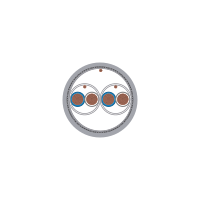
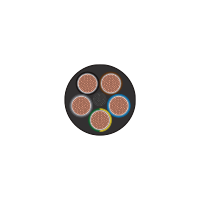
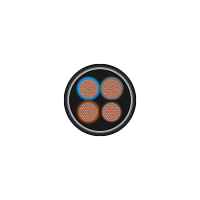
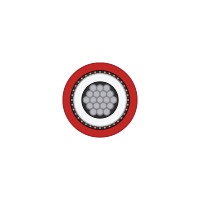






CE Marked Electrical Wires-2026

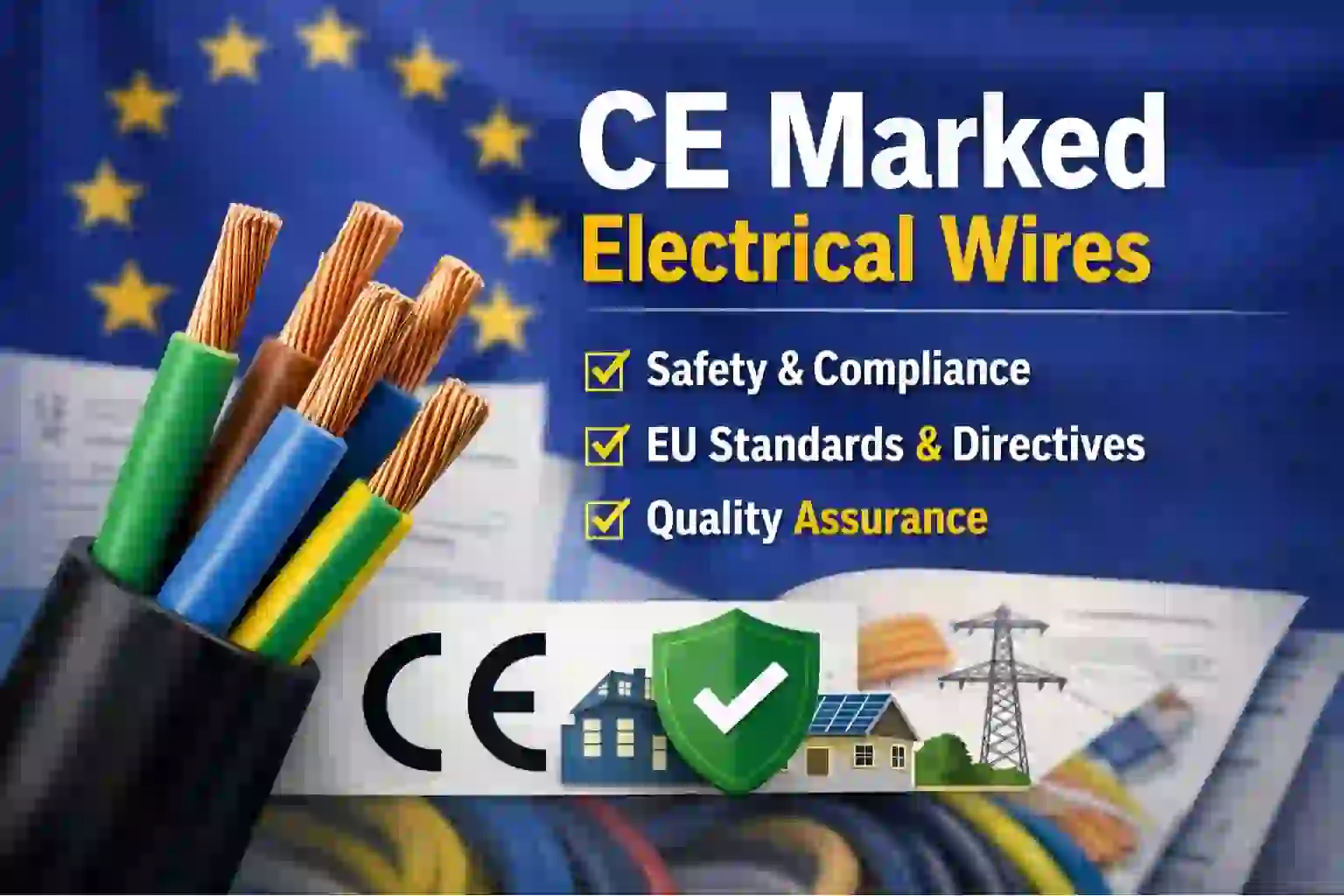
CE Marked Electrical Wires: Ensuring Safety, Quality, and Compliance in Europe
Electrical wiring plays a critical role in modern infrastructure, from residential buildings and commercial complexes to industrial plants and renewable energy systems. With safety and compliance becoming increasingly important, CE marked electrical wires have emerged as a standard requirement for products sold within the European Economic Area (EEA). The CE mark is not merely a logo; it is a declaration of conformity that assures regulators and consumers that electrical wires meet essential European safety, health, and environmental requirements.
This blog explores what CE marked electrical wires are, why they are important, the regulations behind CE marking, and how they benefit manufacturers, installers, and end users.
What Are CE Marked Electrical Wires?

CE marked electrical wires are cables and wires that comply with applicable European Union (EU) directives and regulations and are legally permitted to be sold within the European market. The CE marking indicates that the manufacturer has assessed the product and confirmed that it meets all essential EU requirements related to safety, performance, and environmental protection.
For electrical wires, CE marking typically applies to products used in power distribution, building wiring, control systems, and industrial installations. It confirms that the wire has been designed and manufactured in accordance with harmonized European standards.
Why CE Marking Is Important for Electrical Wires
Electrical wires are safety-critical products. Faulty or substandard wiring can lead to electric shocks, fires, equipment damage, and even loss of life. CE marking ensures a minimum level of safety and quality across all member states of the EU.
Key reasons why CE marking is important include:
- Legal compliance for selling electrical wires in the European market
- Enhanced safety for users, installers, and property
- Free movement of goods within the EU without additional national approvals
- Improved product credibility and customer confidence
- Reduced liability risks for manufacturers and distributors
Without CE marking, electrical wires cannot legally be placed on the EU market.
EU Directives Applicable to CE Marked Electrical Wires
Several EU directives may apply to electrical wires depending on their intended use. The most common ones include:
Low Voltage Directive (LVD) – 2014/35/EU
This directive covers electrical equipment operating between 50 and 1000 V AC and 75 and 1500 V DC. Most building and industrial electrical wires fall under this directive. It focuses on protection against electrical hazards, overheating, and mechanical risks.
Construction Products Regulation (CPR) – EU No. 305/2011
For wires used permanently in construction works, CPR compliance is required. This includes fire performance classification under EN 50575, which evaluates reaction to fire, smoke emission, flaming droplets, and acidity.
RoHS Directive – 2011/65/EU
RoHS restricts the use of hazardous substances such as lead, mercury, cadmium, and certain flame retardants in electrical products, including wires and cables.
EMC Directive (Where Applicable)
Although most passive wires are exempt, certain specialized cables may need EMC consideration depending on their function.
Harmonized Standards for CE Marked Electrical Wires
Compliance with harmonized European standards (EN standards) provides a presumption of conformity with EU directives. Common standards include:
- EN 50525 – Low voltage energy cables
- EN 60228 – Conductors of insulated cables
- EN 60332 – Flame retardant cable tests
- EN 50575 (CPR) – Fire performance of cables
- EN 60754 & EN 61034 – Smoke density and halogen content
Using these standards simplifies the CE marking process and ensures consistent product quality.
CE Marking Process for Electrical Wires
The CE marking process involves several important steps:
- Identify Applicable Directives and Standards
Determine which EU directives and EN standards apply to the electrical wire. - Product Testing and Evaluation
Conduct mechanical, electrical, thermal, and fire performance tests through accredited laboratories. - Technical Documentation (Technical File)
Prepare documentation including design details, test reports, risk assessment, and material specifications. - Declaration of Conformity (DoC)
Issue a signed declaration stating that the product complies with all applicable EU requirements. - Affixing the CE Mark
The CE mark must be visibly and permanently applied to the product, packaging, or accompanying documents.
Manufacturers are legally responsible for compliance and must retain documentation for regulatory review.
Benefits of Using CE Marked Electrical Wires
Enhanced Safety
CE marked wires are tested for insulation strength, heat resistance, and fire behavior, significantly reducing the risk of accidents.
Market Access
CE marking allows manufacturers to sell electrical wires across all EU and EEA countries without additional approvals.
Regulatory Confidence
Installers, contractors, and project owners prefer CE marked wires to meet building codes and inspection requirements.
Environmental Compliance
RoHS-compliant CE marked wires minimize environmental and health hazards.
Brand Reputation
CE marking improves trust and positions manufacturers as reliable and quality-focused suppliers.
Applications of CE Marked Electrical Wires
CE marked electrical wires are widely used in:
- Residential and commercial building wiring
- Industrial machinery and automation systems
- Power distribution networks
- Renewable energy projects (solar and wind)
- Control panels and switchgear
- Infrastructure and public facilities
In many European projects, CE marking is a mandatory requirement in tender documents.
CE Marked Electrical Wires vs Non-Certified Wires
| Feature | CE Marked Wires | Non-Certified Wires |
|---|---|---|
| Legal in EU | Yes | No |
| Safety Compliance | Verified | Uncertain |
| Fire Performance | Tested | Often untested |
| Market Acceptance | High | Limited |
| Risk of Failure | Low | High |
Choosing non-certified wires may result in legal penalties, project rejection, and safety hazards.
Conclusion
CE marked electrical wires are essential for ensuring safety, compliance, and reliability in modern electrical installations. They demonstrate conformity with European safety, environmental, and performance requirements, making them a trusted choice for manufacturers, contractors, and end users alike.
As regulations continue to evolve and safety standards become more stringent, the demand for CE marked electrical wires will only increase. Whether you are exporting to Europe, working on an international construction project, or prioritising high-quality electrical solutions, choosing CE marked wires is not just a regulatory obligation—it is a commitment to safety, quality, and long-term performance.
For such informative articles, click here Life Cables Blogs .
