










Wire Rope-2026 Comprehensive Blog

Introduction-Wire Rope
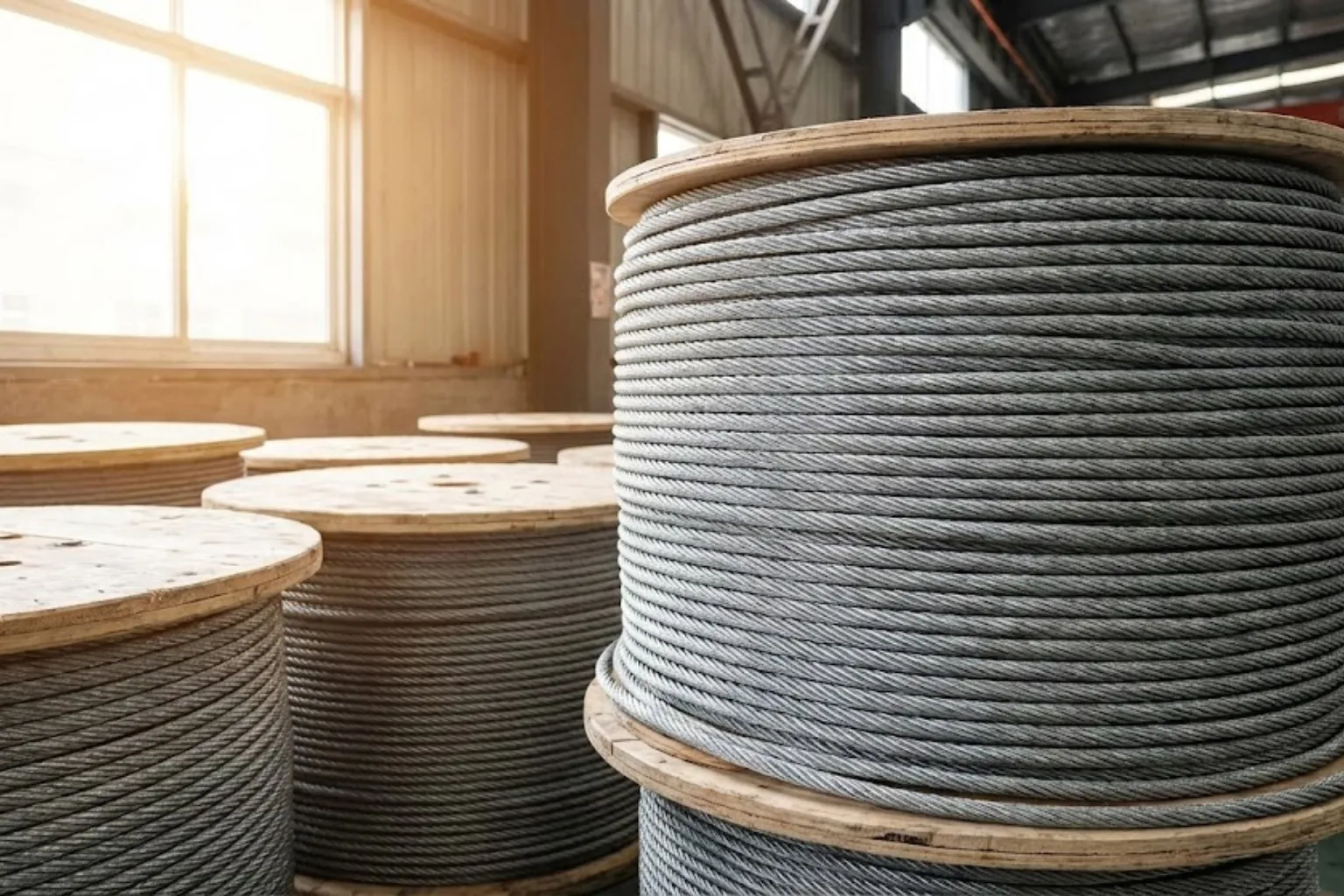
Wire rope is a high-strength mechanical cable made from multiple strands of metal wire twisted together in a precise geometric pattern. Known for its durability, flexibility, and load-bearing capacity, wire rope is widely used in industries such as construction, mining, marine operations, oil and gas, elevators, cranes, and material handling. Its ability to withstand heavy loads, harsh environments, and repeated stress cycles makes it a critical component in industrial and engineering applications.
In this blog, we will explore what wire rope is, its construction, types, applications, advantages, and key factors to consider when selecting the right wire rope.
What Is Wire Rope?
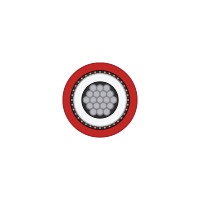
Wire rope consists of three main elements: wires, strands, and a core. Individual steel wires are twisted together to form strands, and several strands are then helically wound around a central core. This structure gives wire rope its exceptional tensile strength, flexibility, and resistance to wear.
Wire ropes are typically manufactured from carbon steel, galvanized steel, or stainless steel, depending on the application and environmental requirements.
Construction of Wire Rope
Understanding the construction of wire rope is essential for selecting the right type for a specific application.
1. Wires
Wires are the smallest individual components of a wire rope. Their diameter, material, and finish (bright, galvanized, or stainless) influence the rope’s strength and corrosion resistance.
2. Strands
A strand is formed by twisting multiple wires together. Common strand constructions include:
- 6×19 (6 strands, 19 wires per strand)
- 6×36 (6 strands, 36 wires per strand)
Higher wire counts offer greater flexibility, while fewer, thicker wires provide better abrasion resistance.
3. Core
The core supports the strands and maintains the rope’s shape. Common core types include:
- Fiber Core (FC): Provides flexibility and shock absorption
- Independent Wire Rope Core (IWRC): Offers higher strength and heat resistance
- Wire Strand Core (WSC): Used for specific structural requirements
Types of Wire Rope
Wire ropes are available in various types, each designed for specific operational needs.
1. Galvanized Wire Rope
Coated with zinc to resist corrosion, galvanized wire rope is ideal for outdoor, marine, and humid environments.
2. Stainless Steel Wire Rope
Known for excellent corrosion resistance and aesthetic appeal, stainless steel wire rope is commonly used in marine, architectural, and food processing applications.
3. Rotation-Resistant Wire Rope
Designed to reduce twisting under load, these ropes are used in cranes and hoisting equipment where stability is critical.
4. Compacted Wire Rope
Manufactured with flattened strands to increase strength and reduce wear, compacted wire rope is suitable for heavy-duty lifting operations.
5. Plastic-Coated Wire Rope
Features a protective polymer coating that enhances corrosion resistance and safety, often used in balustrades, fitness equipment, and control cables.
Applications of Wire Rope
Wire rope is indispensable across a wide range of industries due to its versatility and reliability.
Construction Industry
Used in cranes, hoists, elevators, and suspension systems for lifting and structural support.
Marine and Offshore
Essential for mooring lines, towing, anchoring, and rigging due to its resistance to seawater and mechanical stress.
Mining and Quarrying
Used in winches, haulage systems, and shaft hoisting where extreme loads and harsh conditions are common.
Oil and Gas Sector
Employed in drilling rigs, offshore platforms, and lifting equipment requiring high strength and fatigue resistance.
Transportation and Elevators
Wire rope ensures safe vertical and horizontal movement in elevators, cable cars, and suspension bridges.
Advantages of Wire Rope
Wire rope offers several key benefits that make it superior to other lifting and tensioning solutions.
High Tensile Strength
Wire rope can handle extremely heavy loads without failure, making it ideal for critical lifting operations.
Flexibility
Despite its strength, wire rope remains flexible enough to bend over pulleys and drums efficiently.
Durability
Designed to withstand abrasion, fatigue, and environmental exposure, wire rope has a long service life when properly maintained.
Shock Absorption
The helical construction allows wire rope to absorb sudden loads and vibrations effectively.
Cost-Effectiveness
Compared to alternative materials, wire rope provides an excellent balance between performance and cost.
How to Choose the Right Wire Rope
Selecting the correct wire rope is essential for safety and performance.
Load Capacity
Always choose a wire rope with a safe working load significantly higher than the maximum expected load.
Environment
Consider factors such as moisture, chemicals, temperature, and exposure to saltwater.
Flexibility vs. Abrasion Resistance
Higher wire counts increase flexibility, while thicker wires improve resistance to wear.
Diameter and Length
Ensure compatibility with sheaves, drums, and equipment specifications.
Standards and Certifications
Choose wire ropes that comply with international standards such as ISO, ASTM, or EN.
Maintenance and Safety Tips
Proper maintenance extends the life of wire rope and ensures safe operation.
- Regularly inspect for broken wires, corrosion, and deformation
- Lubricate wire rope to reduce friction and internal wear
- Replace wire rope immediately if it shows signs of excessive damage
- Follow manufacturer guidelines and safety regulations
Neglecting maintenance can lead to equipment failure and serious safety hazards.
Conclusion
Wire rope is a vital component in modern industrial operations, offering unmatched strength, flexibility, and reliability. From construction cranes to marine mooring systems, its applications span countless sectors. By understanding wire rope construction, types, and selection criteria, businesses can ensure optimal performance, safety, and cost efficiency.
Choosing the right wire rope is not just a technical decision—it is an investment in operational reliability and long-term safety. Whether for lifting, pulling, or structural support, wire rope remains an indispensable solution in today’s industrial world.
For such informative blog, click here Life Cables Blogs.
