









Welding Cables-2026 Comprehensive Blog

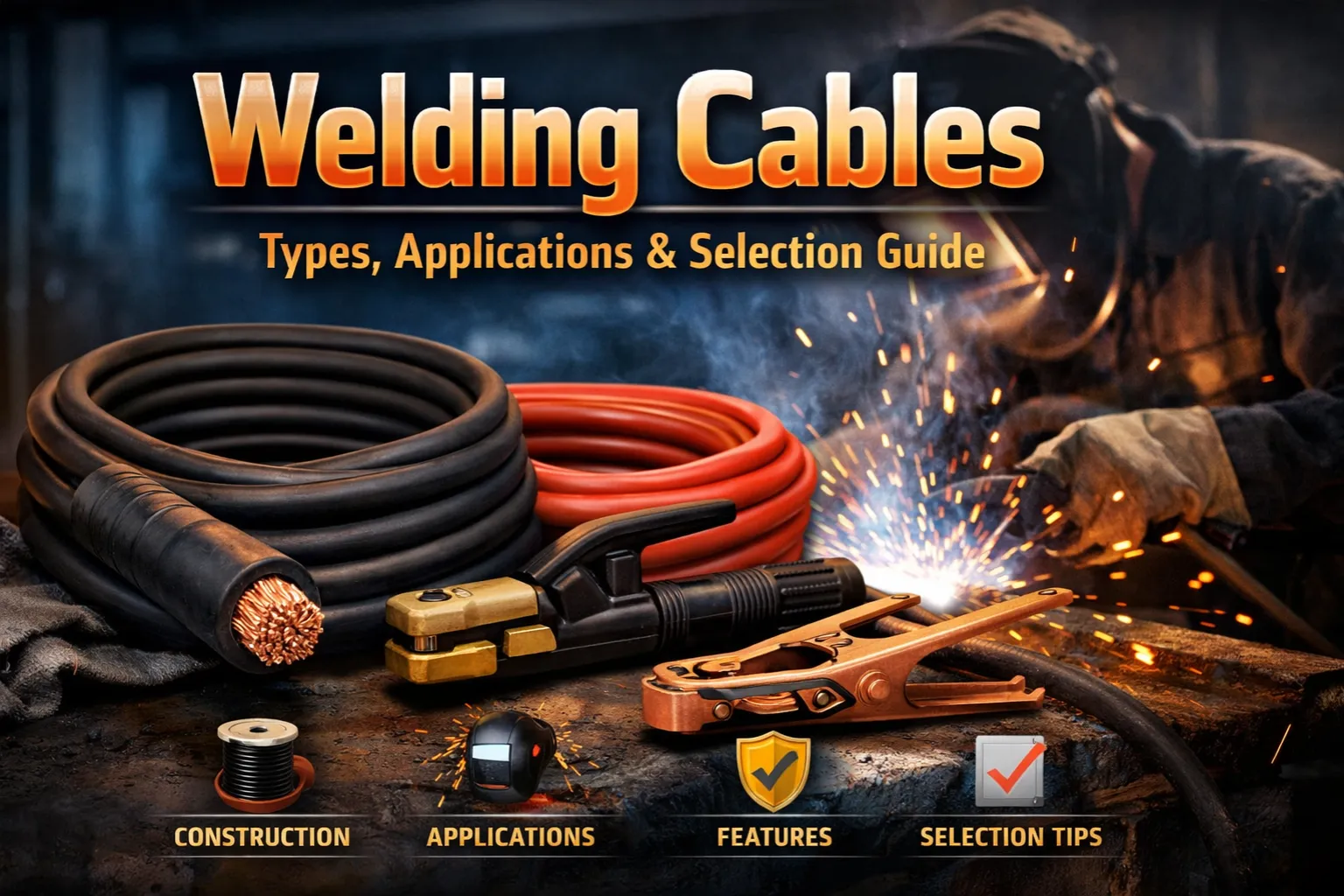
Welding Cables: Types, Applications, Features, and Selection Guide
Welding cables are a critical component of any welding setup, ensuring efficient power transmission between the welding machine and the electrode holder or work-piece. Designed to withstand extreme conditions, these cables play a vital role in delivering stable current, improving weld quality, and ensuring operator safety. Whether used in industrial fabrication, construction, automotive repair, or maintenance work, choosing the right welding cable can significantly impact performance and durability.
This comprehensive guide explores welding cables, their construction, types, applications, benefits, and key factors to consider when selecting the best option for your welding needs.
What Are Welding Cables?
Welding cables are highly flexible electrical cables specifically engineered to carry high currents at relatively low voltages. They connect the welding power source to the electrode holder and the ground clamp, completing the electrical circuit required for welding operations.
Unlike standard power cables, welding cables are built to endure harsh environments, including high temperatures, mechanical stress, abrasion, oil, moisture, and exposure to chemicals. Their flexibility allows easy movement and handling, even in confined or challenging workspaces.
Construction of Welding Cables
The performance and reliability of welding cables depend on their construction. Key components include:
1. Conductor
The conductor is typically made of fine-stranded electrolytic copper or aluminum. Copper is preferred due to its superior electrical conductivity, low resistance, and excellent flexibility. The fine stranding ensures easy bending and reduces fatigue during repeated movement.
2. Insulation
Welding cables are insulated with durable materials such as EPDM rubber, neoprene, or chlorinated polyethylene (CPE). These materials offer:
- Heat resistance
- Flame retardancy
- Oil and chemical resistance
- Excellent flexibility in both hot and cold environments
3. Outer Sheath
The outer jacket protects the cable from abrasion, cuts, and environmental damage. It also ensures long service life under rough working conditions.
Types of Welding Cables
Different welding applications require different cable types. Common types include:
1. Single-Core Welding Cables
Single-core welding cables are the most commonly used type. They consist of one insulated conductor and are suitable for most arc welding applications, including MMA (stick welding) and TIG welding.
2. Double Insulated Welding Cables
These cables feature an additional insulation layer, offering enhanced safety and durability. They are ideal for heavy-duty industrial environments where cables are exposed to severe mechanical stress.
3. Flexible Welding Cables
Designed for applications requiring frequent movement, flexible welding cables have extra-fine copper strands, making them easier to handle and coil without damage.
4. Aluminum Welding Cables
While less conductive than copper, aluminum welding cables are lighter and more cost-effective. They are suitable for applications where weight reduction is essential, though larger cross-sectional areas are required to match copper performance.
Applications of Welding Cables
Welding cables are widely used across multiple industries, including:
- Construction and Infrastructure – Structural steel welding, bridges, and buildings
- Manufacturing and Fabrication – Heavy machinery, metal fabrication, and industrial equipment
- Automotive and Shipbuilding – Vehicle frames, repairs, and marine welding
- Oil and Gas Industry – Pipelines, storage tanks, and offshore structures
- Maintenance and Repair Operations (MRO) – Workshops and on-site repair jobs
Their versatility makes welding cables essential for both indoor and outdoor welding environments.
Key Features and Benefits of Welding Cables
1. High Current Carrying Capacity
Welding cables are designed to handle very high amperage without excessive heat buildup, ensuring stable arc performance and consistent weld quality.
2. Exceptional Flexibility
Fine-stranded conductors and rubber insulation allow easy handling, even in tight or awkward positions.
3. Heat and Flame Resistance
Quality welding cables can withstand high temperatures and sparks generated during welding, minimizing the risk of insulation damage.
4. Durability and Longevity
Their robust construction ensures resistance to abrasion, oil, moisture, and chemicals, extending operational life and reducing replacement costs.
5. Safety Compliance
Certified welding cables comply with international standards such as IEC, BS, or ASTM, ensuring safe operation in industrial environments.
How to Choose the Right Welding Cable
Selecting the correct welding cable is crucial for safety and efficiency. Consider the following factors:
1. Current Rating (Amperage)
Choose a cable that can handle the maximum current output of your welding machine. Undersized cables can overheat, leading to power loss and safety hazards.
2. Cable Length
Longer cables increase resistance and voltage drop. Select an appropriate conductor size to compensate for longer distances between the power source and the welding point.
3. Flexibility Requirements
For applications involving frequent movement or complex routing, opt for extra-flexible welding cables.
4. Environmental Conditions
If the cable will be exposed to oil, moisture, sunlight, or extreme temperatures, ensure the insulation material is suitable for those conditions.
5. Standards and Certifications
Always choose welding cables that meet recognized industry standards to ensure reliability and safety.
Maintenance and Safety Tips for Welding Cables
Proper maintenance extends the life of welding cables and ensures safe operation:
- Inspect cables regularly for cuts, cracks, or exposed conductors
- Avoid dragging cables over sharp edges
- Store cables properly when not in use
- Keep cables away from excessive heat sources
- Replace damaged cables immediately to prevent electrical hazards
Future Trends in Welding Cables
With advancements in materials and manufacturing, modern welding cables are becoming lighter, more flexible, and more durable. Eco-friendly insulation materials and improved conductor designs are gaining popularity, aligning with sustainability and Industry 4.0 initiatives in manufacturing.
Conclusion
Welding cables are an indispensable part of any welding system, ensuring efficient power delivery, safety, and consistent performance. Understanding their construction, types, applications, and selection criteria helps welders and engineers make informed decisions. By choosing the right welding cable and maintaining it properly, you can enhance productivity, improve weld quality, and ensure long-term operational reliability.
For such comprehensive articles, click here Life Cables Blogs.
