








4 Core Cables-2026 Comprehensive Blog

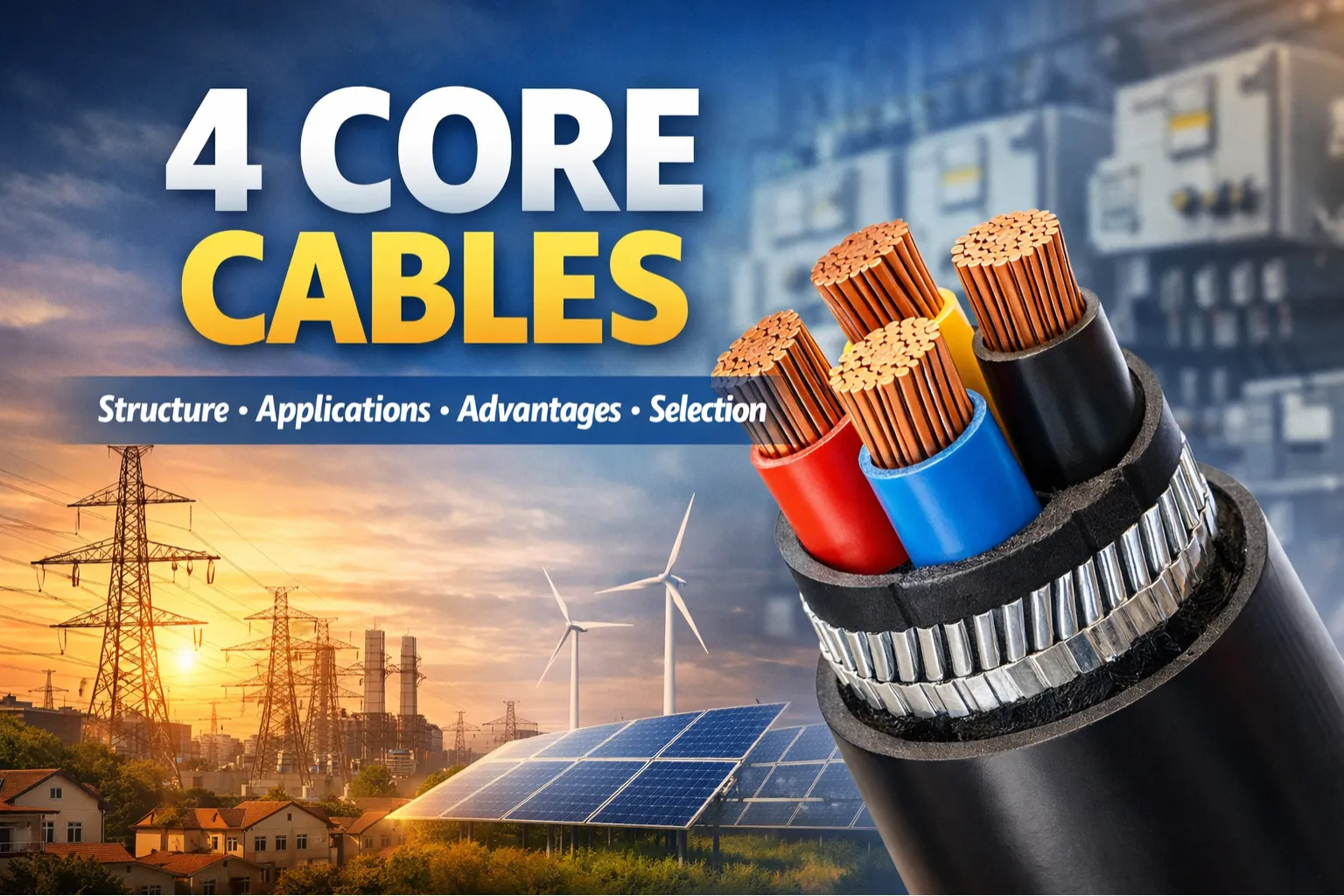
4 Core Cables: Structure, Applications, and Advantages in Modern Electrical Systems
In today’s rapidly evolving electrical and industrial landscape, reliable power transmission and efficient wiring solutions are essential. Among the many cable types used worldwide, 4 core cables play a vital role in ensuring safe, balanced, and uninterrupted electrical distribution. From residential installations to heavy industrial applications, 4 core cables are widely preferred for three-phase power systems that require a neutral conductor.
This blog explores what 4 core cables are, their construction, applications, advantages, and how to choose the right one for your needs.
What Are 4 Core Cables?
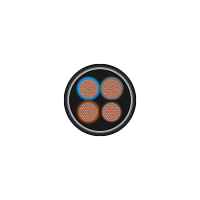
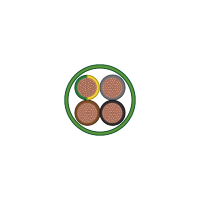
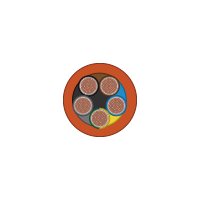
A 4 core cable consists of four insulated conductors (cores) enclosed within a single outer sheath. Typically, these cores include:
- Three phase conductors (R, Y, B)
- One neutral conductor
This configuration makes 4 core cables ideal for three-phase electrical systems where a neutral return path is required. The conductors are usually made of copper or aluminum, while insulation materials may include PVC, XLPE, or rubber, depending on the application.
Construction of 4 Core Cables
The performance and durability of a 4 core cable depend heavily on its construction. The main components include:
- Conductor
Conductors are typically stranded copper or aluminum. Copper offers better conductivity and flexibility, while aluminum is lighter and more cost-effective for large-scale power distribution. - Insulation
Each core is individually insulated to prevent short circuits and electrical leakage. Common insulation materials include:- PVC (Polyvinyl Chloride) – economical and widely used
- XLPE (Cross-Linked Polyethylene) – superior thermal resistance and longer lifespan
- Inner Sheath / Bedding
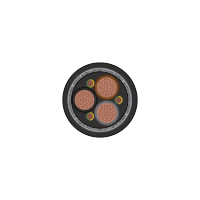
This layer holds the cores together and provides mechanical protection. - Armouring (Optional)
Steel wire or steel tape armouring may be added for enhanced mechanical protection, especially in underground or outdoor installations. - Outer Sheath
The outer sheath protects the cable from environmental factors such as moisture, chemicals, UV radiation, and abrasion.
Applications of 4 Core Cables
4 core cables are extremely versatile and are used across various sectors:
- Power Distribution Systems
Widely used in low and medium voltage three-phase power distribution networks. - Industrial Machinery
Ideal for supplying power to motors, pumps, compressors, and heavy equipment. - Commercial Buildings
Used in shopping malls, offices, hospitals, and high-rise buildings for balanced power supply. - Residential Installations
Common in apartment complexes where three-phase power is required. - Renewable Energy Systems
Employed in solar and wind power installations for efficient energy transmission.
Advantages of 4 Core Cables
The popularity of 4 core cables stems from several key advantages:
- Balanced Power Supply
Three-phase configuration ensures stable voltage and efficient load distribution. - Improved Safety
The neutral core provides a safe return path for current, reducing the risk of electrical faults. - Compact Design
Combining four conductors into a single cable reduces installation complexity and saves space. - High Efficiency
Lower power losses compared to single-phase systems, making them energy-efficient. - Versatility
Suitable for indoor, outdoor, underground, and industrial installations.
Types of 4 Core Cables
Depending on usage and environment, 4 core cables are available in different types:
- PVC Insulated 4 Core Cables – Suitable for general-purpose applications.
- XLPE Insulated 4 Core Cables – Used where higher temperature resistance and durability are required.
- Armoured 4 Core Cables – Designed for harsh environments and mechanical protection.
- Flexible 4 Core Cables – Used in applications requiring frequent movement or bending.
How to Choose the Right 4 Core Cable
Selecting the correct 4 core cable is crucial for safety and performance. Consider the following factors:
- Voltage Rating – Ensure the cable matches system voltage requirements.
- Current Carrying Capacity – Choose the correct conductor size to avoid overheating.
- Installation Environment – Indoor, outdoor, underground, or exposed installations require different cable types.
- Insulation Material – XLPE is preferred for higher temperatures and longer service life.
- Standards & Certifications – Always select cables compliant with IEC, BS, or local electrical standards.
Maintenance and Safety Considerations
Although 4 core cables are designed for long-term use, regular inspection is essential. Check for insulation damage, overheating, and mechanical wear. Proper installation practices such as correct bending radius, adequate support, and earthing significantly enhance cable life and safety.
Conclusion
4 core cables are an essential component of modern electrical infrastructure, offering reliable, safe, and efficient power transmission for three-phase systems. Their robust construction, versatility, and ability to handle balanced loads make them indispensable in residential, commercial, and industrial applications.
Whether you are planning a power distribution project or upgrading an existing electrical system, choosing the right 4 core cable ensures optimal performance, reduced power losses, and long-term operational safety. Investing in quality cables today means a more reliable and energy-efficient system tomorrow.
For such informative blogs, click here LifeCables Blog.