





3 Core Cable-2026 Comprehensive Blog

3 Core Cable: Structure, Applications, Advantages, and Selection Guide
Electrical cables are the backbone of modern power distribution systems, and among them, 3 core cables play a vital role in ensuring safe, reliable, and efficient electricity transmission. Widely used in residential, commercial, and industrial installations, 3 core cables are specifically designed to handle balanced power supply systems where multiple conductors are required within a single sheath.
In this blog, we will explore what 3 core cables are, their construction, applications, benefits, types, and key factors to consider when selecting the right cable for your project.
What Are 3 Core Cable?
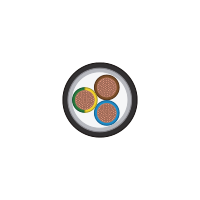
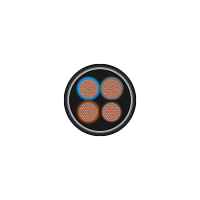
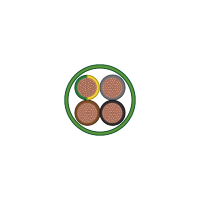
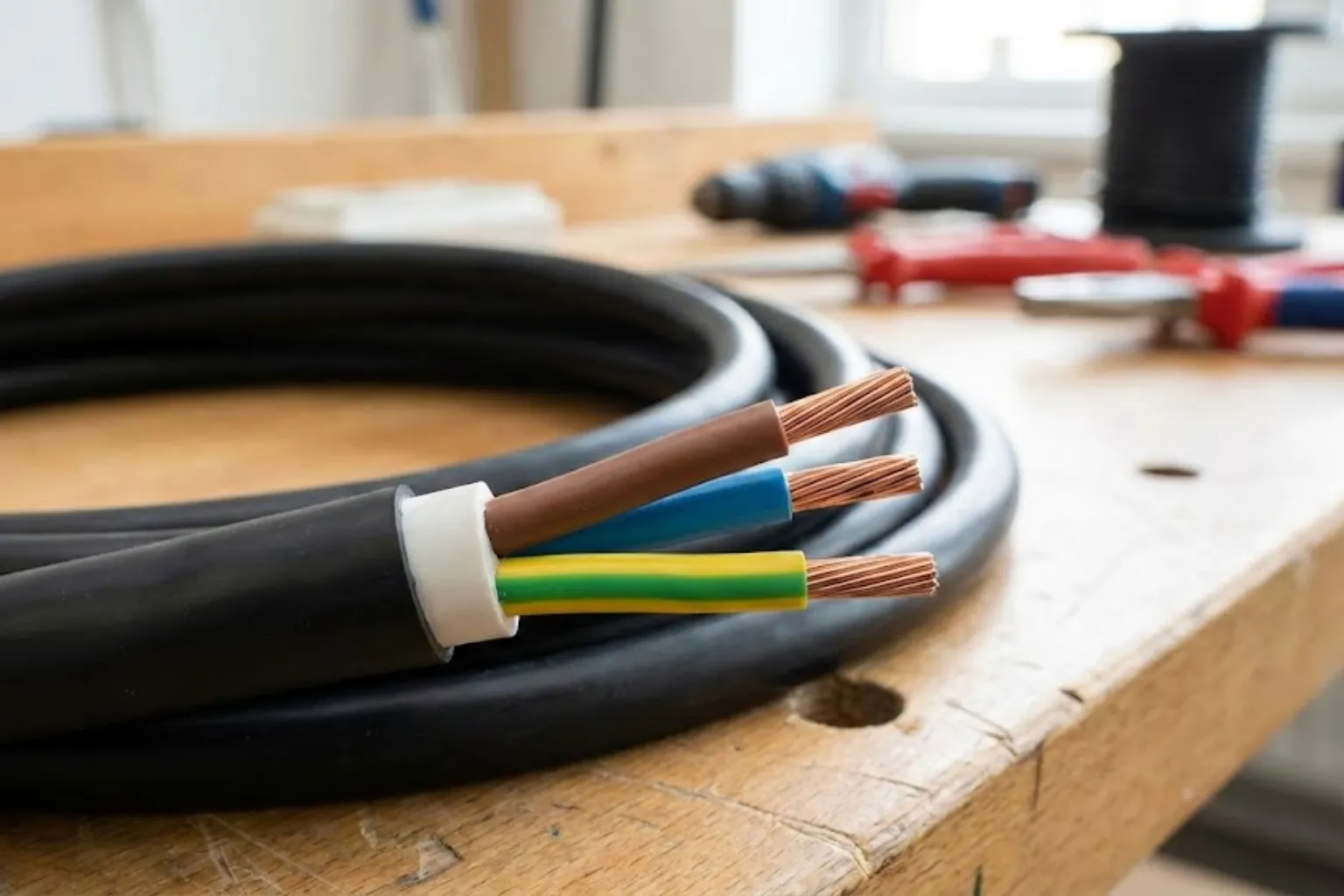
A 3 core cable consists of three individual conductors (cores) enclosed within a single protective outer sheath. Each core is insulated separately and typically made of copper or aluminum. These cables are commonly used for three-phase power supply systems or for applications requiring live, neutral, and earth conductors in one cable assembly.
The compact design of 3 core cables simplifies installation while maintaining electrical safety and performance.
Construction of 3 Core Cables
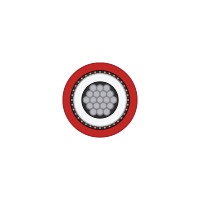
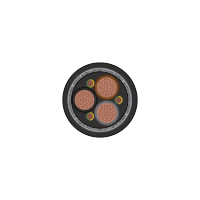
The typical construction of a 3 core cable includes the following layers:
1. Conductor
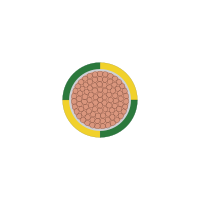
The conductor is the core component responsible for carrying electrical current. It is usually made from:
- Copper (high conductivity, flexible, durable)
- Aluminum (lightweight and cost-effective)
Conductors may be solid or stranded depending on flexibility requirements.
2. Insulation
Each core is individually insulated using materials such as:
- PVC (Polyvinyl Chloride)
- XLPE (Cross-Linked Polyethylene)
- EPR (Ethylene Propylene Rubber)
Insulation prevents short circuits and ensures safe current flow.
3. Inner Sheath (Bedding)
This layer holds the insulated cores together and provides mechanical stability.
4. Armouring (Optional)
Some 3 core cables include steel wire armouring (SWA) for protection against mechanical damage, especially in underground or industrial installations.
5. Outer Sheath
The outer sheath protects the cable from environmental factors like moisture, chemicals, UV radiation, and abrasion.
Applications of 3 Core Cables
3 core cables are widely used across various sectors due to their versatility and reliability:
1. Residential Wiring
Used for powering heavy appliances such as:
- Air conditioners
- Electric ovens
- Water heaters
They often carry live, neutral, and earth connections in a single cable.
2. Industrial Power Distribution
In industries, 3 core cables are commonly used for:
- Motors
- Pumps
- Compressors
- Control panels
They support stable three-phase power transmission.
3. Commercial Buildings
Shopping malls, offices, and hospitals rely on 3 core cables for:
- Lighting systems
- HVAC units
- Backup power connections
4. Underground and Outdoor Installations
Armoured 3 core cables are ideal for underground laying and harsh outdoor environments.
Advantages of 3 Core Cables
Using 3 core cables offers several benefits:
- Compact Design: Combines multiple conductors in one cable, reducing space requirements.
- Ease of Installation: Faster and more organized wiring compared to single-core cables.
- Enhanced Safety: Proper insulation and earthing reduce electrical hazards.
- Cost-Effective: Lower installation and maintenance costs.
- High Mechanical Strength: Especially in armoured variants.
- Versatility: Suitable for a wide range of voltage levels and environments.
Types of 3 Core Cables
Depending on application and insulation material, 3 core cables are available in different types:
1. PVC Insulated 3 Core Cables
- Economical
- Suitable for low-voltage indoor applications
2. XLPE Insulated 3 Core Cables
- Higher temperature resistance
- Better electrical performance
- Ideal for industrial and high-load systems
3. Armoured 3 Core Cables
- Enhanced mechanical protection
- Used for underground and outdoor installations
4. Flexible 3 Core Cables
- Stranded conductors
- Suitable for portable equipment and machinery
How to Choose the Right 3 Core Cable
Selecting the correct 3 core cable is essential for safety and performance. Consider the following factors:
1. Voltage Rating
Ensure the cable’s voltage rating matches the system requirements.
2. Current Carrying Capacity
Choose a cable size that can safely handle the expected load without overheating.
3. Installation Environment
For harsh or underground conditions, opt for armoured cables with robust outer sheaths.
4. Insulation Type
XLPE is preferred for high-temperature and industrial applications, while PVC is suitable for general use.
5. Compliance with Standards
Always select cables that comply with national and international standards (IEC, BS, or local regulations).
Conclusion
3 core cables are an essential component of modern electrical systems, offering a balance of efficiency, safety, and convenience. Their compact construction, wide application range, and reliable performance make them a preferred choice for residential, commercial, and industrial power distribution.
By understanding their construction, advantages, and proper selection criteria, engineers, electricians, and project managers can ensure safe and long-lasting electrical installations. Whether you are planning a small residential setup or a large industrial project, choosing the right 3 core cable is a critical step toward reliable power delivery.
For such informative articles, click here Life Cables Blogs.