





PSQCA Approved Wires: Reliable Wires for Safety for Home & Industry – 2026 Updated Guide


Why PSQCA Approved Wires Are the Unsung Heroes of Your Building’s Safety
We’ve all been there—standing in a hardware store or scrolling through a supplier’s catalog, overwhelmed by the sheer number of electrical cables available. They all look more or less the same: colourful plastic coating over a copper core. It’s tempting to grab the cheapest roll and move on to the more “exciting” parts of construction, like paint colours or light fixtures.
But here’s the reality: your electrical wiring is the “nervous system” of your home or factory. If that system fails, the consequences aren’t just inconvenient—they can be catastrophic. In Pakistan, the gold standard for ensuring you aren’t buying a fire hazard is the PSQCA (Pakistan Standards and Quality Control Authority) certification.
In this guide, we’re going to dive deep into why PSQCA approved wires are non-negotiable for both residential and industrial projects, and how choosing the right cable today saves you a fortune (and potentially lives) tomorrow.
What Does “PSQCA Approved wires” Actually Mean?
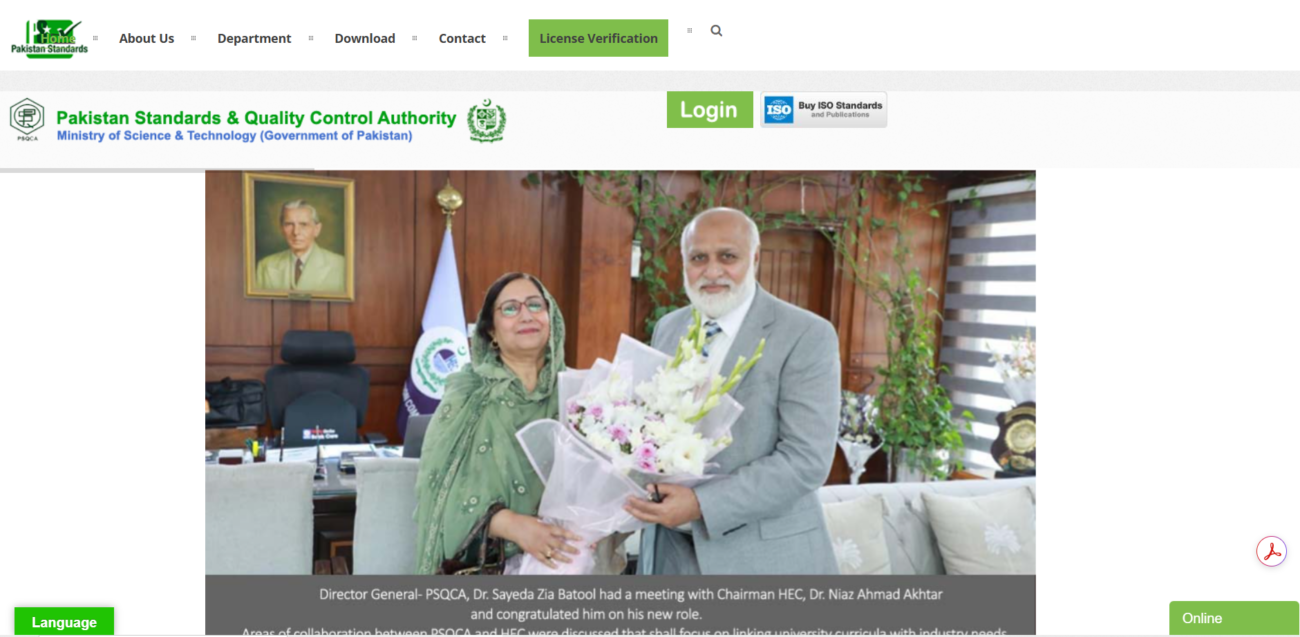
The Pakistan Standards and Quality Control Authority (PSQCA) is the national standardization body. When a wire is “PSQCA Approved,” it means the manufacturer hasn’t just claimed their product is good; they’ve proven it through rigorous testing.
For electrical cables, this involves checking:
- Copper Purity: Low-grade copper (or copper-coated aluminum sold as pure copper) increases resistance, leading to overheating.
- Insulation Thickness: The PVC coating must withstand specific voltage levels without melting or cracking.
- Flame Retardancy: High-quality wires are designed to self-extinguish or resist catching fire in the event of a short circuit.
The Difference Between “99% Pure Copper” and “PSQCA Certified”
Many local brands claim “99.9% pure copper” on their packaging. However, without the PSQCA seal, there is no third-party verification. Uncertified wires often use recycled copper or “under-gauge” thickness (where a wire labeled as 7/29 is actually thinner), which forces your appliances to work harder and hikes up your electricity bill.
Reliability in House Wiring: Protecting Your Family
Home is where we feel safest, yet thousands of house fires in Pakistan are attributed to “short circuits” every year. Most of these aren’t actually accidents; they are the result of poor-quality wiring that couldn’t handle the load.
1. Handling Modern Loads
Think about the appliances we use today: Inverter ACs, high-wattage microwave ovens, electric geysers, and gaming PCs. Older or non-standard wires are often not rated for these continuous high loads. PSQCA-approved house wiring is tested for Amperage Capacity, ensuring the wire stays cool even when the AC has been running for eight hours straight.
2. Longevity and “Brittle” Insulation
Cheap wires use low-grade PVC that becomes brittle over 5 to 10 years. Once the insulation cracks inside your walls, the risk of a spark jumping to a wooden frame or dust increases exponentially. Approved wires use Grade-A PVC designed to last decades without losing flexibility.
Industrial Cables: The Backbone of Productivity
In an industrial setting, the stakes are even higher. A single cable failure doesn’t just mean a light goes out; it means a production line stops, resulting in millions of rupees in losses.
Heavy-Duty Performance
Industrial machinery requires specialized cables (like XLPE or armored cables) that can withstand mechanical stress, oil, and extreme temperatures. PSQCA guidelines ensure that these cables meet international safety standards (like IEC), making them reliable for:
- Textile mills and heavy manufacturing.
- Commercial high-rises and malls.
- Agricultural tube wells and pumps.
Expert Tip: When buying for industrial use, always ask for the Test Report associated with the PSQCA license number. Genuine manufacturers will always provide this transparency.
How to Verify PSQCA Authenticity (Don’t Get Fooled!)
Unfortunately, the market is flooded with “counterfeit” marks. Here is how you can ensure you are getting the real deal:
- Check the Embossing: Real PSQCA approved wires have the brand name, the size (e.g., 3/29, 7/29, 7/36), and the PSQCA logo embossed or printed clearly on the wire itself every few meters—not just on the box.
- The “Weight” Test: Pure copper is heavy. If a coil of 90 meters feels unusually light compared to a reputable brand, it’s likely under-gauge or alloyed.
- The Flame Test: While not scientific, high-quality insulation will char but rarely sustain a large flame when a lighter is held to it for a second. Cheap PVC will burn like a candle.
The Economics of Safety: Why Cheap Wires Cost More
It is a common myth that uncertified wires save money. Let’s look at the math:
- Efficiency Loss: Poor copper has high resistance. This resistance turns electricity into heat. You are essentially paying for electricity that never reaches your bulb but instead warms your walls. This can add 5-10% to your monthly bill.
- Appliance Damage: Voltage drops caused by poor wiring can burn out the compressors in your expensive fridge or AC.
- Insurance & Resale: For commercial properties, using non-standard wiring can void insurance claims and lower the property’s resale value during a technical inspection.
Conclusion: Make the Smart Choice
Choosing PSQCA-approved wires is an investment in peace of mind. Whether you are a homeowner building your dream house or a project manager overseeing a factory floor, the “standard” isn’t just a label—it’s a guarantee that your property is protected from the silent threat of electrical failure.
Don’t gamble with your safety. Demand PSQCA-certified cables from reputable dealers and ensure your electrical foundation is as solid as your building’s walls.