






Can a Low-Quality Charging Cable Damage Battery? – 2026 Complete Guide

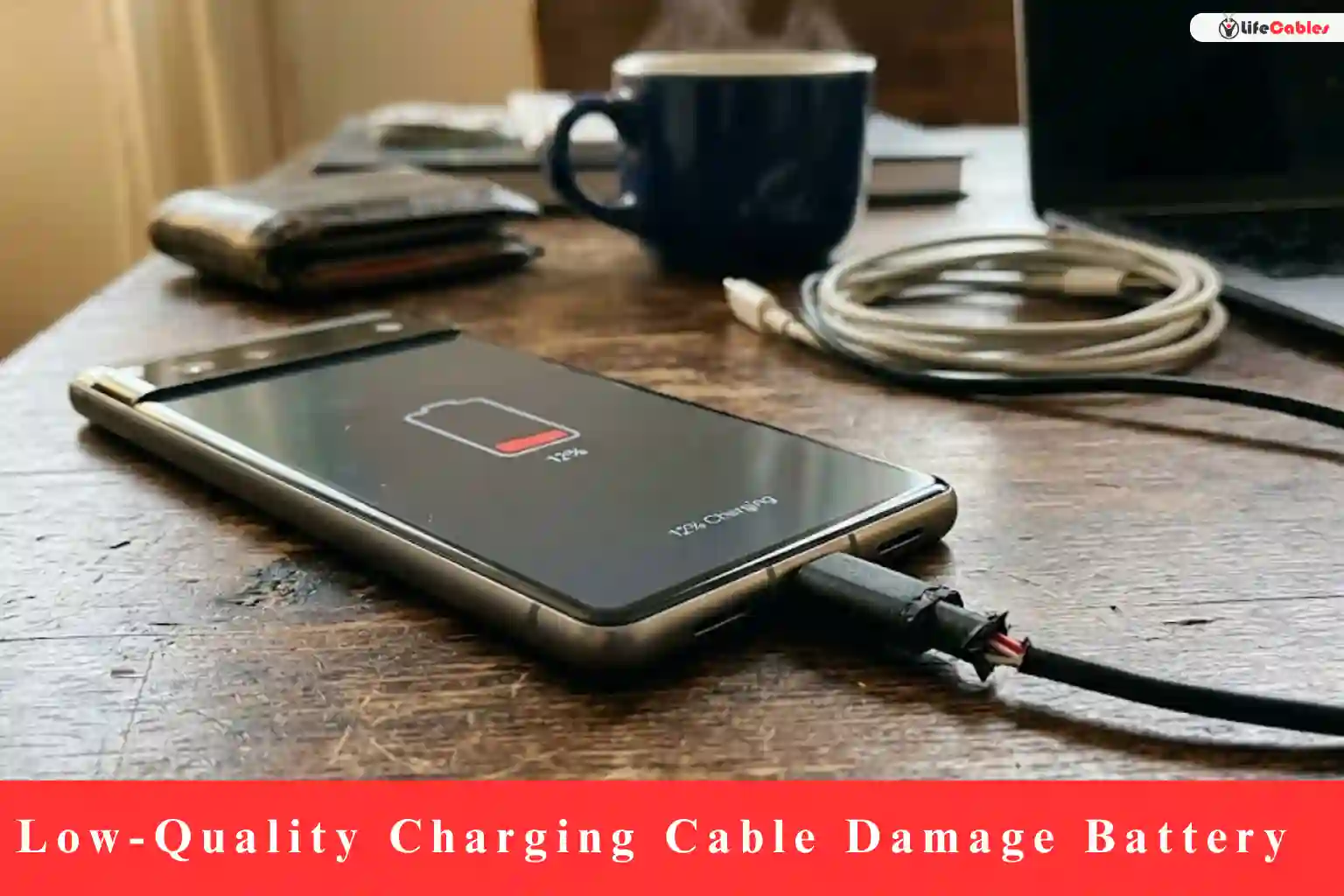
The Silent Killer: How actually low-quality charging cable damage battery
We’ve all been there. You’re at a gas station or browsing a discount bin, and you see it: a lightning-bright, braided charging cable for $5. It’s tempting. After all, a cable is just a cable, right? It’s just a plastic-wrapped wire that moves electricity from the wall to your phone.
But as someone who has spent years troubleshooting hardware and dissecting the nuances of lithium-ion technology, I’ve seen the “cheap cable” shortcut end in tears—and expensive repair bills.
The short answer is yes. A low-quality charging cable can, and often does, damage your smartphone battery over time. But the “how” is more complex than just a slow charge.
Why “Cheap” Isn’t Just About Price
When we talk about “low-quality” cables, we aren’t necessarily attacking budget brands. We are talking about cables that lack proper certification (like MFi for Apple) or fail to meet the USB-IF standards.
Inside a premium cable, there is a tiny circuit board with a controller chip. This chip communicates with your phone to negotiate how much power is safe to deliver. Cheap cables often skip this hardware entirely, essentially “shoving” raw electricity into your device without any regulation.
3 Ways a Bad Cable Destroys Your Battery
1. Inconsistent Voltage and “Dirty” Power
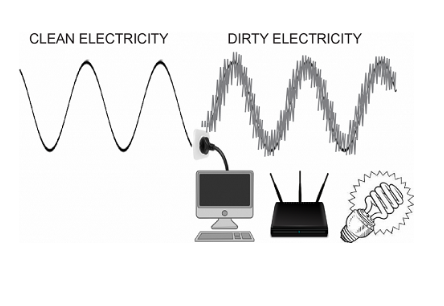
Your smartphone battery is a sensitive chemical sandwich. It expects a steady, clean flow of power. High-quality cables have shielding to prevent electromagnetic interference. Low-quality cables often have thin copper wiring and poor insulation.
This leads to voltage fluctuations. If the voltage spikes even slightly above what your phone’s internal Power Management Integrated Circuit (PMIC) can handle, it generates excess heat. Heat is the number one enemy of lithium-ion batteries; it causes the internal chemistry to degrade, leading to reduced capacity.
2. The Danger of Overheating
Have you ever noticed your phone getting uncomfortably hot while using a generic cable? That isn’t just “fast charging” at work. It’s often the result of high resistance.
If the internal wires are too thin to handle the current, they heat up. That heat transfers to the charging port and then directly to the battery. Consistent exposure to temperatures above 30°C (86°F) can permanently lower the total amount of energy your battery can hold.
3. Damaging the Charging Controller (The “U2” Chip)
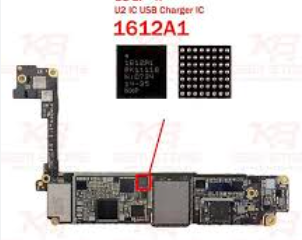
In many iPhones and Android devices, there is a specific chip (often referred to in the repair community as the U2 IC or Tristar chip) that manages the charging process. A cheap cable that lacks a surge protector can send a “rebound” of electricity back into this chip.
Once this chip is fried, your phone might:
- Refuse to charge at all.
- “Fake charge” (shows the icon but the percentage never goes up).
- Drain the battery rapidly even when the phone is off.
Is It Worth the Risk?
As an expert in the field, I look at the Experience and Expertise of the manufacturers. Brands like Anker, Belkin, or the original manufacturers (Samsung, Apple, Google) spend millions on R&D to ensure their cables won’t cause a thermal runaway event.
Trustworthiness is the core of E-E-A-T. When you buy a $2 cable, you aren’t buying a product with a safety warranty. You are risking a $1,000 device to save $15. From a technical standpoint, the math simply doesn’t add up.
How to Spot a “Battery Killer” Cable
You don’t need a lab to identify a risky cable. Look for these red flags:
- Too Thin: If the cable feels flimsy or like a piece of string, the internal gauge of the wire is likely too small for modern fast-charging standards.
- No “Click”: A quality cable should snap firmly into your port. If it’s loose or requires wiggling, it can cause “arcing”—tiny electrical sparks that carbonize your charging port.
- No Certification: For iPhone users, look for the MFi (Made for iPhone) logo. For Android/USB-C users, ensure the brand is USB-IF certified.
- Suspiciously Cheap: If it’s $5 for a 3-pack of 10-foot cables, they have cut corners on the copper and the safety chips.
My Personal Recommendation
I always tell my readers: Invest in the “Middle Ground.” You don’t have to buy the official $30 Apple or Samsung cable. However, you should buy from reputable third-party brands that offer warranties. This ensures you get the regulated power your battery needs without the “luxury” markup of the phone manufacturer.
The Maintenance Checklist
- Inspect the ends: If you see any blackening or fraying, throw it away immediately.
- Keep it cool: Don’t charge your phone under a pillow or in a hot car.
- Use the right brick: Match your cable quality with a high-quality wall adapter. A great cable plugged into a cheap, buzzing wall brick is still a fire hazard.
Final Thoughts: Protecting Your Investment
Your smartphone battery is a consumable part, but its lifespan is largely determined by how you treat it. Using a low-quality cable is like putting low-grade, contaminated fuel into a Ferrari. It might run for a while, but eventually, the engine is going to stall.
Keep your battery healthy, keep your phone cool, and spend the extra few dollars on a certified cable. Your “future self” who doesn’t have to carry a power bank everywhere will thank you.