






Are Braided Nylon Cables Actually More Durable? (TPE vs Nylon Exclusive Comparison)-2026


The Great Cable Debate: Are Braided Nylon Cables Actually More Durable Than TPE?
We’ve all been there. You’re lying in bed, scrolling through your phone, and you have to hold the charging cable at a very specific 45-degree angle just to get that little lightning bolt icon to stay lit. Then, the inevitable happens: the white rubber casing splits, exposing those thin copper veins, and another cable bites the dust.
When it comes time to buy a replacement, you’re faced with two main camps: the classic, smooth TPE (Thermoplastic Elastomer) cables—the kind that came with your phone—and the rugged-looking Braided Nylon alternatives.
The marketing usually screams that nylon is “military-grade” and “indestructible,” but is that just hype, or is it backed by actual material science? After years of testing everything from $5 gas station wires to $50 boutique cables, I’ve seen where both types shine and where they fail. Let’s dive into the grit of TPE vs. Nylon.
1. Understanding the Contenders
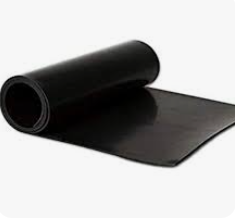
What is TPE Rubber?
TPE (Thermoplastic Elastomer) is the industry standard. It’s a mix of plastic and rubber that is cheap to manufacture and offers a decent balance of flexibility and protection. Most “official” cables from Apple, Samsung, and Google use TPE because it’s recyclable, smooth to the touch, and non-reactive.
What is Braided Nylon?
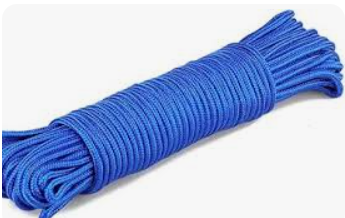
Braided nylon isn’t actually the core of the cable; it’s an external sleeve. Underneath that “rope” texture is usually a standard PVC or TPE cable. The nylon is woven tightly around the inner core to provide an extra layer of structural integrity.
2. Tensile Strength: The “Pull” Factor
If you’ve ever tripped over your charger and sent your phone flying, you’ve tested tensile strength.
- TPE: These cables have a fair amount of “stretch.” While that sounds good, stretching actually thins the copper wiring inside. Once the outer rubber reaches its limit, it snaps cleanly.
- Braided Nylon: Nylon wins this round handily. The weave acts like a protective skeleton. When you pull on a nylon cable, the sleeve absorbs the tension before it ever reaches the delicate internal wires. This is why many nylon cables are rated to withstand “50kg of force”—far more than your TPE wire could handle.
3. The “Kink” Problem: Friction and Tangling
One of the most annoying parts of TPE cables is their “memory.” If you keep a TPE cable coiled in your backpack for a week, it will keep that coiled shape forever. Worse, the rubberized texture is high-friction; it sticks to itself, creating those impossible knots that lead to internal wire breakage.
Nylon cables are naturally lower-friction. They slide against themselves, making them significantly harder to tangle. If you’re a traveler or someone who throws their gear into a bag, the “tangle-free” promise of nylon isn’t just marketing—it’s a genuine quality-of-life upgrade.
4. The Achilles’ Heel: The Strain Relief
Here is the honest truth that most manufacturers won’t tell you: The cable material usually isn’t what fails first. Most cables die at the “joint”—the spot where the flexible wire meets the hard plastic plug. This is where the most intense bending happens.
- The TPE Flaw: In TPE cables, this joint is often stiff. Repeated bending at sharp angles causes the rubber to fatigue and crack (we call this “splitting”).
- The Nylon Paradox: While nylon is tougher, it can sometimes be too stiff. If the nylon braiding is too rigid, it forces all the bending stress to happen exactly at the plug. However, premium braided cables counteract this by using extended strain relief—those long, flexible plastic necks that taper off.
Expert Tip: When buying, look for a cable with a “tapered” neck at the plug. A nylon cable with a short, stiff neck will actually fail faster than a high-quality TPE cable.
5. Aesthetics and Feel: More Than Just Looks
Let’s be human for a second: we like things that feel “premium.”
- TPE feels clinical and basic. Over time, white TPE cables absorb oils from your hands and turn a nasty shade of yellowish-grey. They also tend to attract dust and lint.
- Nylon feels like a piece of outdoor gear. It comes in endless colors and patterns, and it stays looking “new” much longer because the fabric hides scratches and dirt better than smooth rubber.
6. Environmental Impact
As someone who follows the tech manufacturing space closely, I have to mention sustainability.
- TPE is generally easier to recycle and requires less energy to produce.
- Nylon cables are “composite” products (plastic + metal + fabric). They are nearly impossible to recycle because separating the fabric from the plastic core is too expensive.
If you care about your carbon footprint, the most “sustainable” choice is actually just buying one high-quality cable that lasts five years, rather than five cheap ones that end up in a landfill.
7. The Verdict: Which One Should You Buy?
Buy TPE if:
- You mostly use your charger at a desk or bedside table where it rarely moves.
- You prefer the “OEM” look and feel.
- You are on a strict budget (basic TPE is always cheaper).
Buy Braided Nylon if:
- You travel often or toss your cable in a bag daily.
- You have pets (cats and dogs find the “crunchy” texture of nylon much less satisfying to chew on than soft rubber).
- You want a cable that lasts 2–3x longer under heavy “bend” stress.
| Feature | TPE Rubber | Braided Nylon |
| Durability | Moderate | High |
| Tangle Resistance | Low | High |
| Flexibility | Very High | Moderate |
| Pet Resistance | Poor | Good |
| Price | $ | $$ |
Final Thoughts
Is braided nylon actually more durable? Yes. But with a caveat.
A cheap nylon cable with a poorly designed connector is still a bad investment. If you want the ultimate setup, look for Double-Braided Nylon with Reinforced Aramid Fiber (Kevlar) cores. These are the “buy it for life” options that can survive being slammed in a car door or tugged by a toddler.
At the end of the day, your charging cable is the lifeline to your digital world. Spending the extra $5 for a braided version isn’t just about the fabric—it’s about the peace of mind that comes with knowing you won’t wake up to a dead phone and a broken wire.
What’s your experience? Have you had a nylon cable fail on you, or are you a TPE loyalist? Let me know in the comments!