





10 Best Shielded XLR Cables for Podcasting in 2026 (No More Hum!)

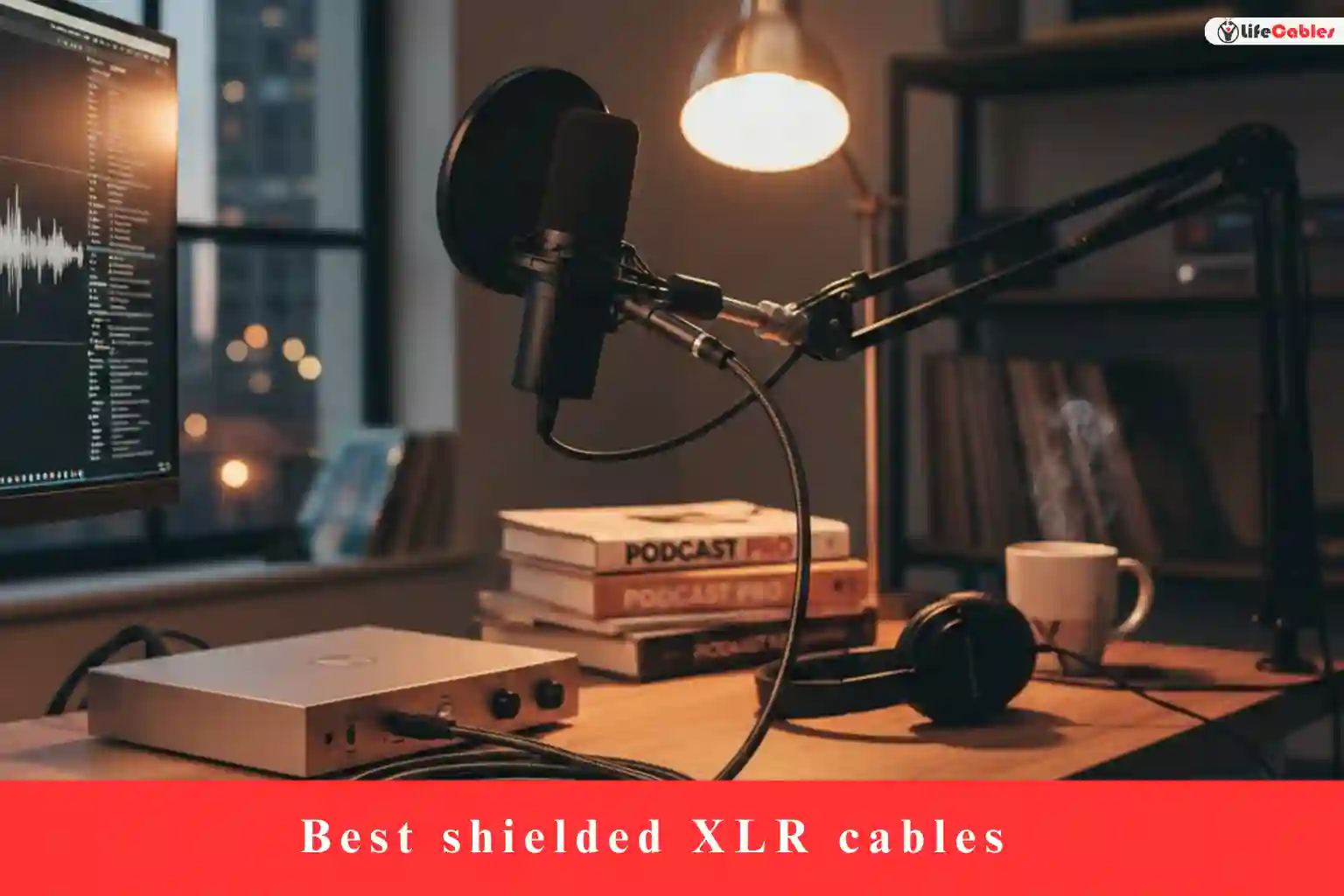
Best Shielded XLR Cables for Recording Podcasts in a Noisy Home Office
We’ve all been there. You’ve finally booked that dream guest, your script is tight, and your energy is high. But when you hit “stop” and listen back to your recording, there’s a faint, annoying hum in the background. Or worse, a rhythmic “ticking” sound every time your cell phone searches for a signal.
In a professional studio, walls are treated and cables are routed through dedicated conduits. In a home office, your microphone cable is likely fighting for survival against a sea of electronic “noise” from Wi-Fi routers, LED desk lamps, PC power supplies, and even your refrigerator in the next room.
If you want to sound professional without moving to a soundproof bunker, your first line of defense isn’t a new mic—it’s a high-quality shielded XLR cable.
Why “Shielding” is the Secret Sauce for Podcasters
Before we dive into the best picks for 2026, let’s get technical for a second (but keep it simple). Most people think an XLR cable just carries sound. In reality, it’s an antenna. If it’s not properly shielded, it will pick up Electromagnetic Interference (EMI) and Radio Frequency Interference (RFI).
A “shielded” cable uses a physical barrier—usually a braid or foil—to wrap around the internal wires and drain that interference to the ground before it ever hits your audio interface. For a home office, where your setup is likely surrounded by gadgets, “standard” cables just won’t cut it.
The Magic of “Star Quad” Construction
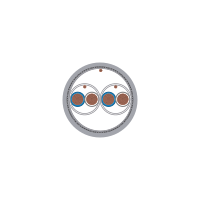
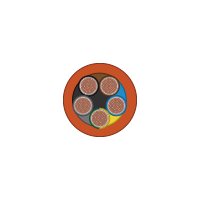
If you live in a particularly noisy environment, you should look for Star Quad cables. Instead of the usual two internal wires, these have four. By twisting these wires in a specific pattern, they can cancel out up to 10x more noise than a standard balanced cable. It’s the closest thing to magic in the audio world.
Top 3 Picks of best shielded XLR Cables for Noisy Home Offices (2026 Reviews)
1. The Gold Standard: Mogami Gold Studio XLR
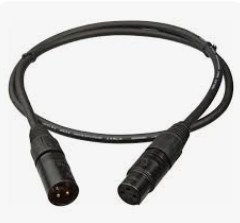
Ask any veteran audio engineer what they use, and 90% will say Mogami. The Mogami Gold Studio series uses their famous “Neglex” 4-conductor (Star Quad) design.
- Best For: Those who want to buy a cable once and never worry about it again.
- The Experience: These cables are incredibly limp and flexible, meaning they won’t “fight” your mic arm. They offer a 95% noise rejection rate.
- The Catch: They are pricey. But with a Lifetime “No Excuses” Warranty, the investment pays for itself.
2. The Professional’s Choice: Canare L-4E6S Star Quad
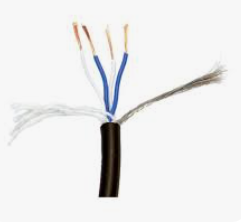
If you want the performance of a Mogami but have a more “home office budget,” Canare is the answer. Many boutique cable companies actually buy Canare bulk wire to make their own high-end cables.
- Best For: High EMI areas (near Wi-Fi routers or PC towers).
- The Experience: The L-4E6S is legendary for its noise rejection. It features a very tight braided shield that is tough as nails. It’s a bit stiffer than Mogami, but it’s a tank.
- Pro Tip: Look for versions with Neutrik connectors—they are the industry standard for a reason.
3. Best Value for Podcasters: LyxPro Balanced XLR
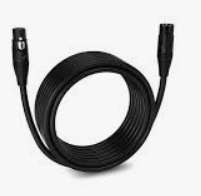
You don’t always need to spend $80 to get a clean signal. LyxPro has carved out a niche by offering surprisingly good shielding for a fraction of the price.
- Best For: Beginners or those setting up a multi-person podcast on a budget.
- The Experience: It features a 98% braided shield and gold-plated contacts. While it might not have the “prestige” of Mogami, it performs better than almost anything else in its price bracket.
What to Look for When Buying
As an audio creator, you shouldn’t just look at the price tag. Here is how I evaluate a cable for a noisy environment:
- Shielding Percentage: Look for “95% coverage” or higher. Foil shielding offers 100% coverage but is less durable; braided shielding is the sweet spot for home use.
- Connector Quality: If the connector is made of cheap plastic, it’s a red flag. Look for zinc alloys or brands like Neutrik or amphenol.
- Oxygen-Free Copper (OFC): This ensures the signal travels smoothly without degradation over time.
- Length Matters: In a home office, don’t buy more than you need. A 25ft cable is more likely to pick up noise than a 6ft or 10ft cable. If your interface is on your desk, 6ft-10ft is usually perfect.
[Image comparing Star Quad vs Standard XLR wiring diagrams]
Practical Tips to Reduce Noise in Your Home Office
Even the best cable can’t fix a setup that is fundamentally “noisy.” Here are three things you can do today:
- Cross at 90 Degrees: If your XLR cable must cross a power cable, make sure they cross at a 90-degree angle. Never run them parallel to each other, as the power cable will “bleed” hum into your audio.
- The Wi-Fi Rule: Keep your audio interface and microphone at least 3-5 feet away from your Wi-Fi router.
- Check Your Gain: Sometimes “noise” is actually just “hiss” from your interface’s preamp being pushed too hard. A shielded cable allows you to keep a cleaner signal floor.
Final Verdict: Which One Should You Get?
If you are serious about your podcast and your home office is cluttered with electronics, I highly recommend the Canare L-4E6S Star Quad. It offers the best “bang for your buck” in terms of actual noise rejection.
However, if you have the budget, the Mogami Gold Studio is a luxury that makes your life easier—it’s easier to cable-manage and comes with the peace of mind of a lifetime warranty.
