


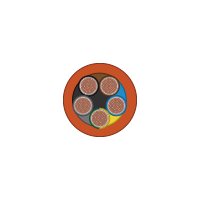



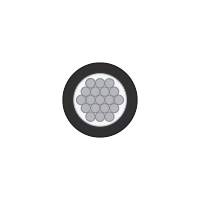
High Conductivity Copper Wire-2026

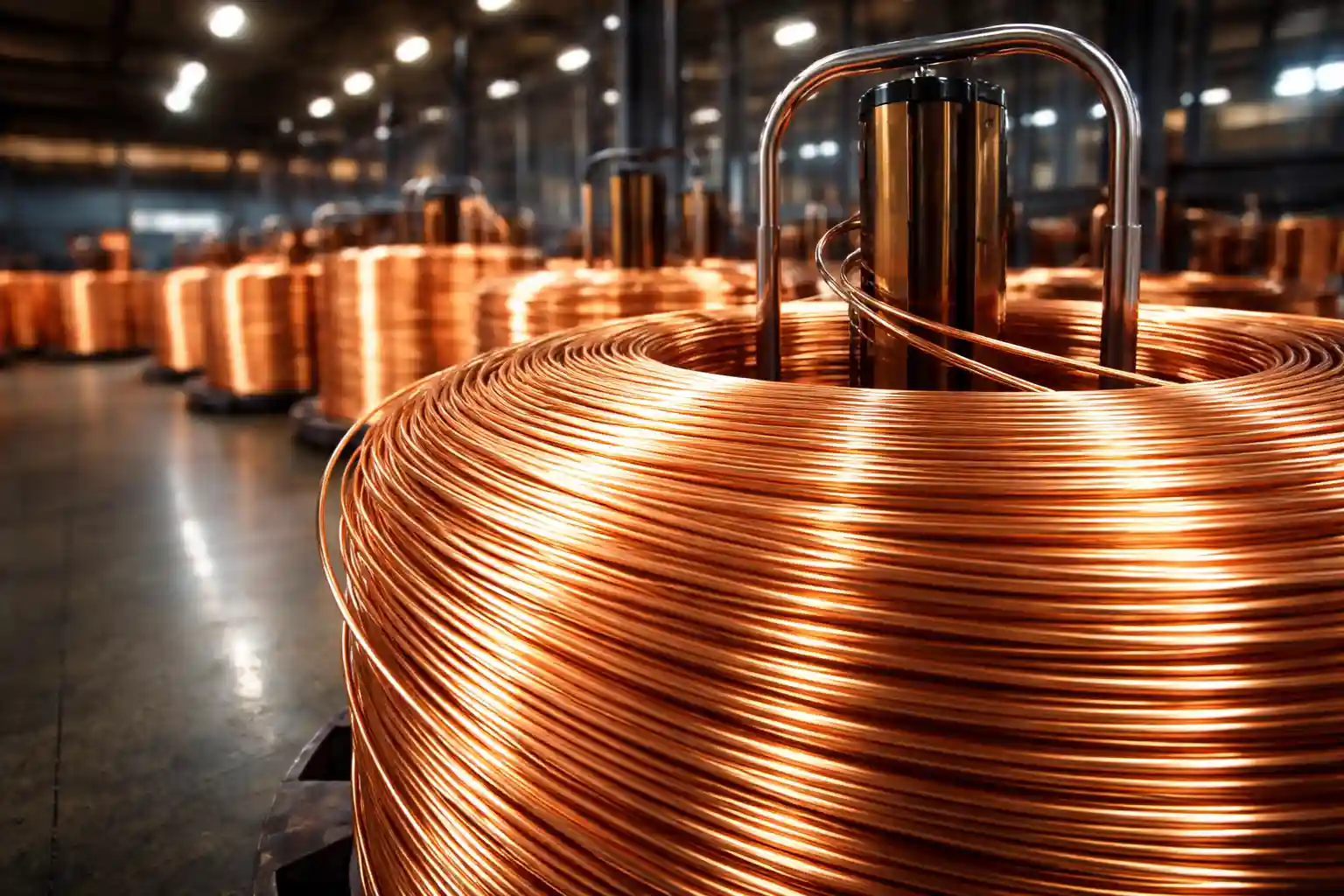
High Conductivity Copper Wire: The Backbone of Efficient Electrical Systems
In the modern world, where energy efficiency, reliability, and performance are critical, high conductivity copper wire plays an indispensable role across industries. From power transmission and electronics to construction and renewable energy systems, copper wire remains the preferred choice due to its exceptional electrical properties. This blog explores what high conductivity copper wire is, why it matters, its applications, benefits, and how it compares with alternatives.
What Is High Conductivity Copper Wire?
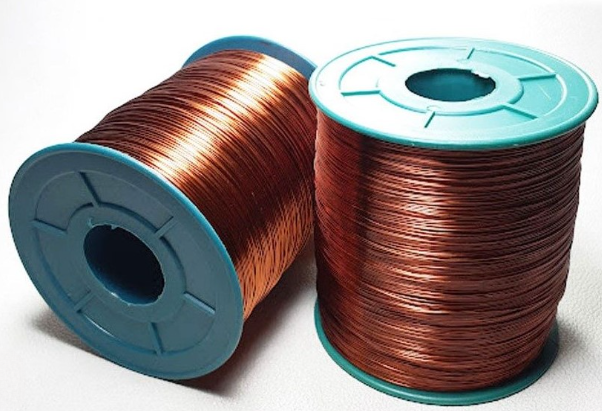
High conductivity copper wire refers to copper conductors that offer minimal electrical resistance, allowing electric current to flow efficiently with very low energy loss. The conductivity of copper is typically measured using the International Annealed Copper Standard (IACS), where pure annealed copper is rated at 100% IACS.
Most high-quality copper wires used in electrical applications have conductivity levels ranging between 99.9% to 101% IACS, depending on purity and processing methods. This high conductivity makes copper one of the most efficient and reliable conductors available for electrical and electronic use.
Why Conductivity Matters in Electrical Systems
Electrical conductivity directly impacts the efficiency, safety, and longevity of electrical systems. Higher conductivity means:
- Lower power losses during transmission
- Reduced heat generation
- Improved energy efficiency
- Enhanced system reliability
In applications where continuous power flow is required—such as industrial machinery, power grids, and data centers—using high conductivity copper wire significantly reduces operational costs and minimizes the risk of overheating or system failure.
Key Properties of High Conductivity Copper Wire
High conductivity copper wire offers a unique combination of physical and electrical properties:
1. Excellent Electrical Conductivity
Copper has the second-highest electrical conductivity among commercially viable metals, surpassed only by silver, which is far more expensive and impractical for large-scale use.
2. High Thermal Conductivity
Copper efficiently dissipates heat, reducing temperature rise in electrical systems and improving safety.
3. Ductility and Flexibility
Copper can be drawn into extremely fine wires without breaking, making it ideal for complex wiring systems and compact electronics.
4. Corrosion Resistance
Copper naturally resists corrosion, especially in indoor and controlled environments, ensuring long service life.
5. Mechanical Strength
High conductivity copper wires maintain sufficient tensile strength, making them suitable for both fixed and flexible installations.
Types of High Conductivity Copper Wire
Several forms of copper wire are available based on application needs:
Bare Copper Wire
Used in grounding systems, earthing, and overhead transmission where insulation is not required.
Annealed Copper Wire
Soft and flexible, commonly used in electrical cables, electronics, and winding applications.
Oxygen-Free Copper (OFC)
Contains extremely low oxygen content, offering superior conductivity and performance in sensitive electronic and audio applications.
Electrolytic Tough Pitch (ETP) Copper
The most widely used copper type, offering excellent conductivity and cost-effectiveness.
Tinned Copper Wire
Copper coated with tin to enhance corrosion resistance, commonly used in marine and humid environments.
Applications of High Conductivity Copper Wire
High conductivity copper wire is used across a wide range of industries:
Power Transmission and Distribution
Copper wires and conductors are used in power cables, transformers, switchgear, and substations due to their efficiency and reliability.
Electrical and Building Wiring
Residential, commercial, and industrial buildings rely on copper wiring for safe and efficient power distribution.
Electronics and Telecommunications
Printed circuit boards (PCBs), connectors, and communication cables require high conductivity copper for accurate signal transmission.
Motors and Transformers
Copper windings are essential in electric motors, generators, and transformers to ensure optimal performance and reduced energy losses.
Renewable Energy Systems
Solar panels, wind turbines, and energy storage systems use copper wiring to maximize energy transfer and system efficiency.
Automotive and EV Industry
Modern vehicles, especially electric vehicles (EVs), rely heavily on high conductivity copper wires for power distribution, battery systems, and control electronics.
Advantages of High Conductivity Copper Wire
Choosing high conductivity copper wire offers several long-term benefits:
Energy Efficiency
Lower resistance leads to reduced energy losses, resulting in significant savings over time.
Safety
Reduced heat buildup lowers the risk of fire hazards and insulation damage.
Durability
Copper wiring has a long service life, often exceeding decades with minimal maintenance.
Cost-Effectiveness
While copper may have a higher upfront cost than some alternatives, its efficiency and durability make it more economical in the long run.
Compliance with Standards
Copper wires easily meet international standards such as IEC, ASTM, BS, and ISO requirements.
Copper vs Aluminum: Conductivity Comparison
Although aluminum is sometimes used as an alternative, copper remains superior in many aspects:
| Property | Copper | Aluminum |
|---|---|---|
| Electrical Conductivity | Higher | Lower |
| Wire Size Required | Smaller | Larger |
| Heat Resistance | Better | Lower |
| Mechanical Strength | Higher | Lower |
| Long-Term Reliability | Excellent | Moderate |
To achieve the same conductivity as copper, aluminum wires must be significantly thicker, which can increase installation complexity and long-term costs.
Manufacturing and Quality Standards
High conductivity copper wire is manufactured using refined copper cathodes through processes such as continuous casting, rolling, and annealing. Reputable manufacturers adhere to strict quality control measures and international standards, including:
- IEC 60228
- ASTM B3 and B8
- BS EN standards
- ISO 9001 quality management systems
Compliance ensures consistent conductivity, mechanical strength, and safety.
Sustainability and Recycling
Copper is 100% recyclable without loss of conductivity or performance. Recycled copper requires significantly less energy than primary production, making high conductivity copper wire an environmentally responsible choice. This sustainability aspect further strengthens copper’s position in future-focused industries.
Conclusion
High conductivity copper wire is the foundation of efficient, safe, and reliable electrical systems. Its superior electrical and thermal conductivity, combined with durability, flexibility, and sustainability, make it the preferred conductor across power, construction, electronics, and renewable energy sectors.
As global demand for energy efficiency and advanced electrical infrastructure continues to grow, high conductivity copper wire will remain a critical component in shaping a more reliable and sustainable future. Choosing the right quality copper wire not only ensures compliance and performance but also delivers long-term economic and environmental benefits.
For such informative articles, click here Life Cables Blogs.
