







Single Conductor Cables-2026 Comprehensive Blog

Single Conductor Cables: Types, Applications, Advantages, and Selection Guide
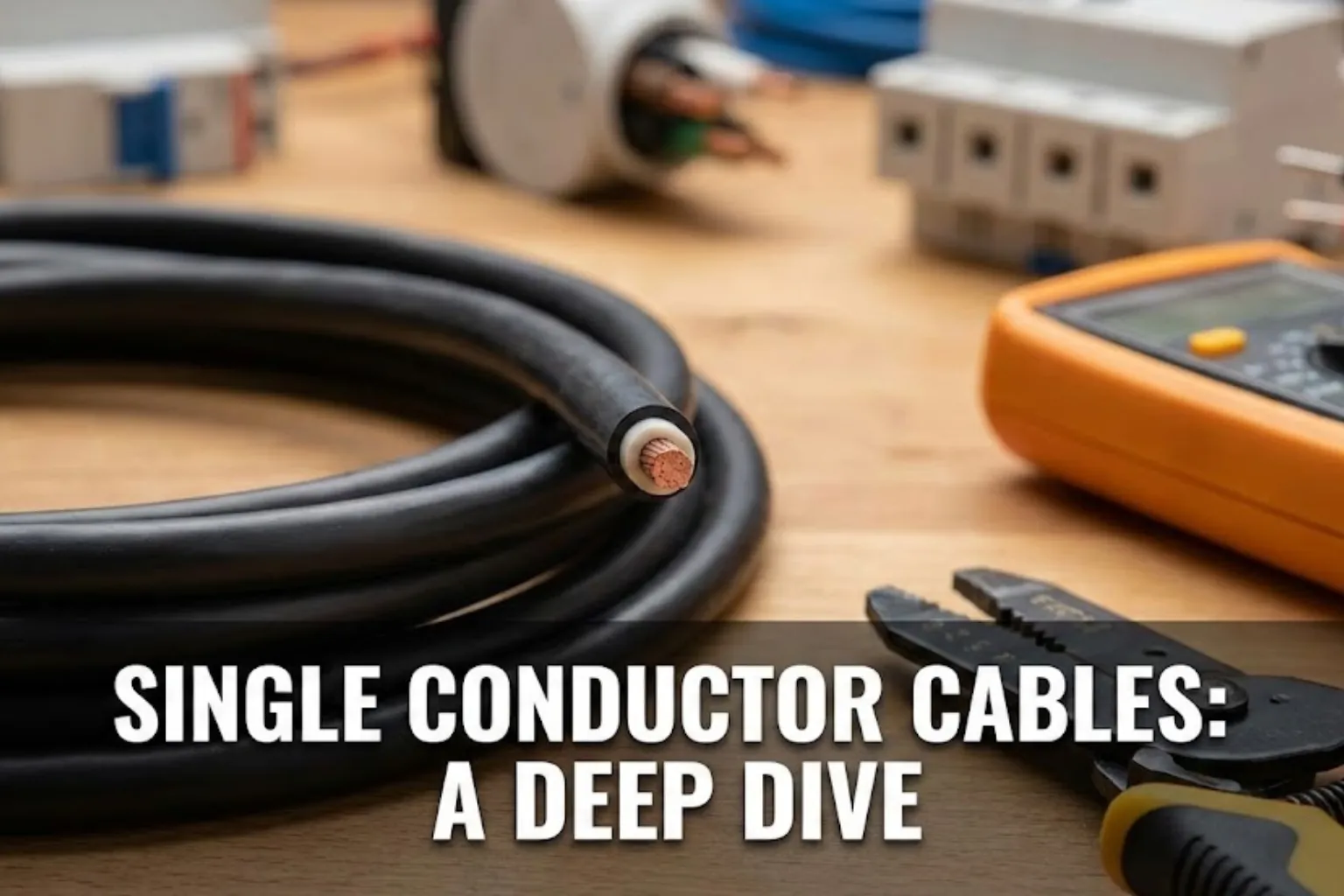
Single conductor cables, also known as single core cables, are among the most widely used electrical cables in power distribution, industrial installations, and building wiring systems. Designed with one current-carrying conductor, these cables offer flexibility, reliability, and efficiency in both low- and high-voltage applications. Understanding their construction, uses, and benefits helps engineers, electricians, and project planners make informed decisions for safe and efficient electrical systems.
What Are Single Conductor Cables?
A single conductor cable consists of one metallic conductor, typically made of copper or aluminum, surrounded by insulation and, in some cases, an outer protective sheath. Unlike multi-core cables that contain multiple conductors within one jacket, single conductor cables are installed individually and grouped as required for a circuit.
These cables are commonly used where flexibility in routing, high current capacity, or customized phase arrangement is needed. Single conductor cables are available in various sizes, insulation materials, and voltage ratings to suit diverse electrical applications.
Construction of Single Conductor Cables
The performance of single conductor cables depends largely on their construction. The main components include:
1. Conductor
The conductor is the core element responsible for carrying electric current.
- Copper conductors offer high conductivity, flexibility, and corrosion resistance.
- Aluminum conductors are lightweight and cost-effective, making them suitable for large power transmission applications.
Conductors can be solid, stranded, or flexible depending on the installation requirements.
2. Insulation
Insulation prevents current leakage and protects against electrical shock. Common insulation materials include:
XLPE insulation is particularly popular due to its high thermal resistance and long service life.
3. Outer Sheath (Optional)
Some single conductor cables include an outer sheath for mechanical protection, resistance to moisture, chemicals, and UV radiation, especially in outdoor or industrial environments.
Types of Single Conductor Cables
Single conductor cables are classified based on voltage rating, insulation type, and application:
- Low Voltage Single Conductor Cables – Used in residential and commercial wiring.
- Medium Voltage Single Conductor Cables – Common in industrial plants and substations.
- High Voltage Single Conductor Cables – Employed in power transmission and utility networks.
- Flexible Single Conductor Cables – Ideal for control panels and equipment requiring frequent movement.
Applications of Single Conductor Cables
Single conductor cables are used across a wide range of sectors due to their adaptability and performance:
Power Distribution
They are extensively used in power distribution boards, switchgear, transformers, and substations. Their ability to handle high current loads makes them suitable for main feeders.
Industrial Installations
In manufacturing plants, single conductor cables are preferred for motors, generators, and heavy machinery, where customized cable routing is required.
Building Wiring
Residential and commercial buildings rely on single conductor cables for internal wiring, earthing, and grounding systems.
Renewable Energy Systems
Solar power plants and wind energy installations use single conductor cables for DC and AC connections due to their efficiency and heat resistance.
Transportation and Infrastructure
Railways, airports, and tunnels use single conductor cables for signaling, lighting, and power supply systems.
Advantages of Single Conductor Cables
Single conductor cables offer several advantages over multi-core alternatives:
- High Current Capacity: Better heat dissipation allows higher current flow.
- Installation Flexibility: Easier routing in complex layouts and confined spaces.
- Reduced Electromagnetic Interference: When properly arranged, they minimize magnetic effects.
- Easy Maintenance: Individual conductors can be replaced without disturbing the entire system.
- Cost Efficiency: Optimized material usage for large-scale power applications.
How to Choose the Right Single Conductor Cable
Selecting the correct single conductor cable is essential for safety and performance. Consider the following factors:
- Current Rating: Ensure the conductor size matches the load requirement.
- Voltage Level: Choose insulation suitable for the operating voltage.
- Environmental Conditions: Account for temperature, moisture, chemicals, and UV exposure.
- Installation Method: Tray, conduit, underground, or open air installation affects cable selection.
- Compliance with Standards: Follow IEC, BS, or local electrical codes for quality and safety.
Standards and Safety Considerations
Single conductor cables must comply with international and regional standards such as IEC, BS, and ASTM. Proper installation practices, including correct spacing, earthing, and phase arrangement, are crucial to avoid overheating and electromagnetic issues.
Conclusion
Single conductor cables play a vital role in modern electrical systems, offering flexibility, efficiency, and reliability across residential, industrial, and utility applications. Their simple yet robust design makes them ideal for high-current and customized installations. By understanding their construction, types, and advantages, engineers and electricians can select the right cable to ensure long-term safety and optimal performance.
Whether for power distribution, industrial machinery, or renewable energy systems, single conductor cables remain a dependable choice for today’s evolving electrical infrastructure.
For such comprehensive blogs, click here Life Cables Blogs.
