



Twisted Copper-2026 Comprehensive Blog

⚡ The Power of the Twist: Everything You Need to Know About Twisted Copper Wire
Twisted copper wire is an unsung hero of the modern world, silently enabling everything from high-speed internet to reliable power distribution. More than just a simple conductor, its unique construction offers crucial advantages in signal integrity, flexibility, and noise reduction. If you’ve ever wondered why your Ethernet cable or even some common household wiring uses a twisted design, this comprehensive guide will untangle the technology and explain why twisted copper remains the gold standard in countless electrical and data applications.
🏗️ What is Twisted Copper Wire?
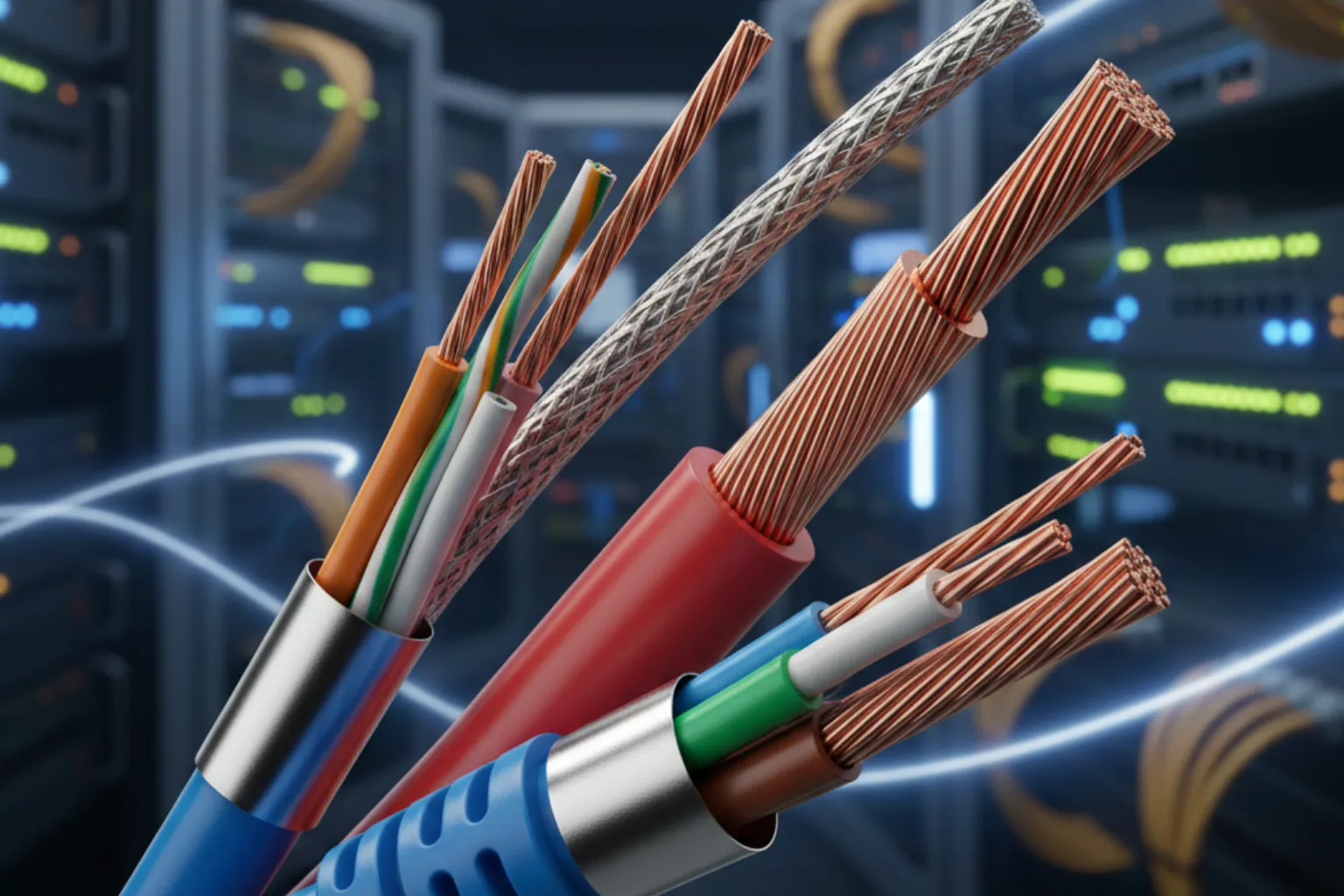
At its core, twisted copper wire refers to electrical conductors, typically made of high-purity copper, that are physically twisted together along their length. This simple but ingenious design is primarily used in two major configurations:
1. Twisted Pair Cable
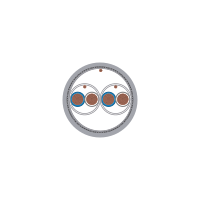
This is the most common form, consisting of two individual insulated copper wires twisted together. It is the fundamental component of network cables like Ethernet (Cat5e, Cat6, etc.) and traditional telephone lines. The twisting is a deliberate engineering choice to combat electromagnetic interference (EMI) and crosstalk.
- Unshielded Twisted Pair (UTP): The most common type, where the twisted pairs are protected only by an outer plastic sheath. It’s cost-effective and prevalent in office and residential LANs.
- Shielded Twisted Pair (STP): Includes an additional foil or braided metal screen around the twisted pairs (or around the entire cable) to provide superior protection against external electromagnetic noise, making it ideal for electrically “noisy” environments like factories or near heavy machinery.
2. Stranded Copper Wire
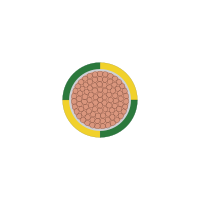
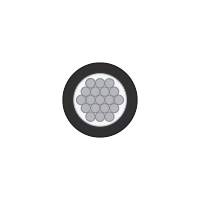
While not always referred to as “twisted copper,” stranded wire involves multiple thinner copper strands that are twisted together to form a single, larger conductor. This twisting grants the conductor significant flexibility and resistance to metal fatigue, which is why it’s the standard for patch cords, appliance power cords, and automotive wiring.
🛡️ The Crucial Benefits of the Twist: Noise Cancellation
The primary, and most critical, benefit of the twisted pair design lies in its incredible ability to reduce unwanted electrical noise, specifically Electromagnetic Interference (EMI) and Crosstalk.
The Principle of Cancellation
When an electrical current flows through a wire, it generates a magnetic field around it. In a simple parallel wire, external noise (like a radio signal or a neighboring cable’s signal) will induce a current on the wire, corrupting the data.
However, when the two wires in a pair are twisted:
- Incoming Noise Neutralization: Any external electromagnetic field will affect both wires equally. Because the twists cause the two wires to constantly alternate their positions relative to the noise source, the noise-induced current is equal in magnitude but opposite in direction in each half of the twist. This results in a common-mode signal that the receiver can easily cancel out, preserving the original data signal.
- Crosstalk Minimization: Similarly, the magnetic field generated by the signal itself is largely canceled out just a short distance from the cable, preventing it from interfering with adjacent pairs within the same cable (crosstalk). Different pairs in an Ethernet cable use different twist rates to ensure maximum cancellation between them.
This superior noise rejection is why twisted pair cables are the backbone of high-speed data transmission over copper for distances up to 100 meters.
⚖️ Solid Core vs. Stranded Twisted Copper: Choosing the Right Wire
When selecting a cable for your project, you must choose between two main structural forms, each with its own advantages:
| Feature | Solid Core Wire | Stranded Wire (Twisted) |
| Structure | A single, thick copper conductor per wire. | Multiple thin copper strands twisted together. |
| Flexibility | Rigid, holds its shape. Breaks if bent repeatedly. | Highly flexible, resists fatigue and breakage from bending. |
| Installation | Easier for permanent connections (punch-down jacks). | Difficult to terminate in punch-down jacks; better for connectors. |
| Best For | Permanent installation within walls, conduits, and long horizontal runs. | Patch cords, portable equipment, robotics, automotive, and areas requiring frequent movement. |
| Performance | Better for long-distance runs; lower insertion loss. | Increased attenuation over long runs; better heat dissipation. |
For home or office networking, the general rule is: Solid core for in-wall permanent cables, stranded for short patch cords that connect devices to wall outlets.
🌐 Applications of Twisted Copper Technology
The reliability and cost-effectiveness of twisted copper have cemented its place across numerous industries:
- Data Networking: Ethernet cables (Cat5e, Cat6, Cat7) are the most recognized use, connecting computers, routers, and servers.
- Telecommunications: Twisted pair was the original media for the analog public switched telephone network (POTS) and is still used for DSL internet access.
- Industrial Control: Used for connecting sensors, actuators, and control systems, where minimizing EMI from machinery is vital.
- Power over Ethernet (PoE): Allows both electrical power and data to be transmitted over the same twisted-pair cable, powering devices like security cameras and VoIP phones.
- Automotive Wiring: Stranded copper wire provides the necessary flexibility to withstand the vibrations and movement inherent in vehicle chassis and engines.
✅ Conclusion: A Foundational Technology
Twisted copper wire is far from a legacy technology; it is a foundational pillar of modern electrical engineering. The simple act of twisting copper strands transforms a basic conductor into a highly reliable medium capable of rejecting noise and managing the mechanical stress of real-world installations.
Whether you’re setting up a high-speed home network with a Cat6 cable, selecting the right wire for a complex industrial machine, or simply using a flexible power cord, the principle of the twist is hard at work. By understanding the core benefits of noise cancellation and the structural differences between solid and stranded copper, you can ensure your next wiring project is efficient, reliable, and built to last.
For such informative blogs, visit Life Cables Blogs.
