

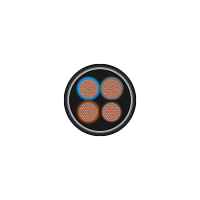
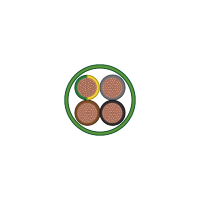
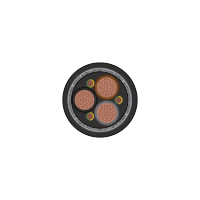
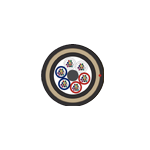
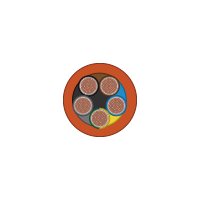
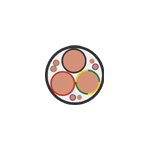


2 Core Cables-2026 Comprehensive Blog

2 Core Cables: Construction, Applications, and Advantages
In modern electrical systems, cables play a vital role in the safe and efficient transmission of power. Among the many types of electrical cables available, 2 core cables are widely used for single-phase power applications in residential, commercial, and light industrial installations. Their simple construction, reliability, and cost-effectiveness make them a popular choice for electricians and engineers alike.
This blog explores what 2 core cables are, how they are constructed, their applications, advantages, and key factors to consider when selecting them.
What Are 2 Core Cables?
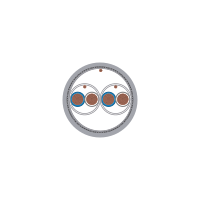
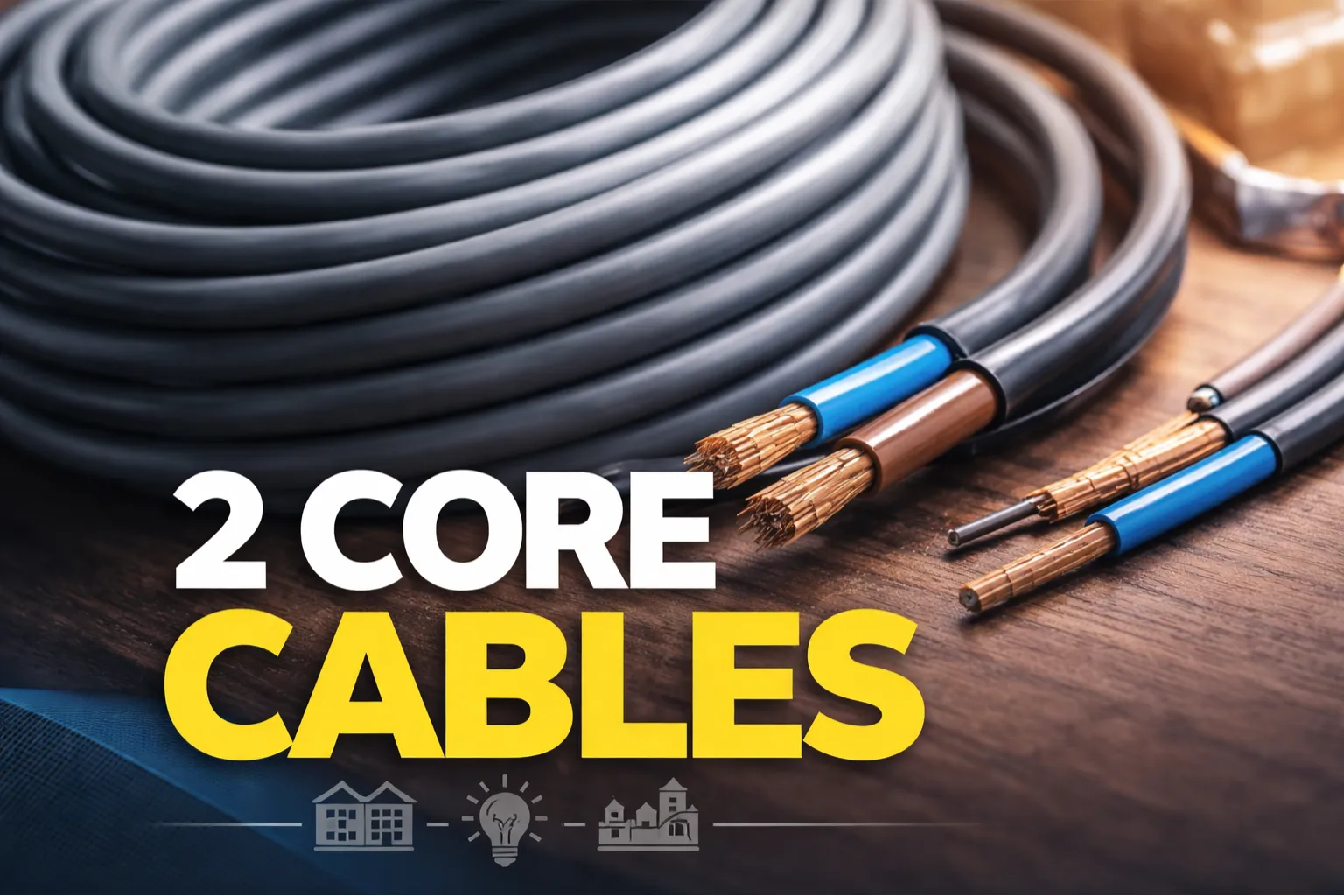
A 2 core cable consists of two insulated conductors enclosed within a common outer sheath. Typically, one core acts as the live (phase) conductor, while the other serves as the neutral. These cables are primarily used in single-phase electrical circuits, where a simple power supply is required.
2 core cables are available in various conductor sizes, insulation materials, and voltage ratings, allowing them to be used across a wide range of electrical installations.
Construction of 2 Core Cables
The design of a 2 core cable is straightforward yet robust. Its main components include:
1. Conductors
The conductors are usually made of copper or aluminum. Copper conductors are preferred due to their higher electrical conductivity, flexibility, and durability, while aluminum conductors are lighter and more economical for certain applications.
2. Insulation
Each core is individually insulated using materials such as PVC (Polyvinyl Chloride), XLPE (Cross-Linked Polyethylene), or rubber. Insulation prevents electrical leakage and ensures user safety.
3. Inner Sheath (Optional)
Some 2 core cables include an inner bedding or filler that keeps the cores in place and maintains the cable’s round shape.
4. Outer Sheath
The outer sheath provides mechanical protection and shields the cable from environmental factors such as moisture, dust, heat, and chemicals. PVC is commonly used due to its durability and cost efficiency.
Applications of 2 Core Cables
2 core cables are extensively used in both indoor and outdoor electrical systems. Common applications include:
Residential Wiring
They are widely used for lighting circuits, socket outlets, and small household appliances such as fans and heaters.
Commercial Buildings
In offices, shops, and educational institutions, 2 core cables are used for low-load electrical connections and power distribution.
Industrial Applications
Light industrial machinery and control circuits often rely on 2 core cables for stable single-phase power supply.
Outdoor and Underground Installations
When armored or properly sheathed, 2 core cables can be safely used for underground wiring and external installations.
Advantages of 2 Core Cables
The popularity of 2 core cables is due to several key benefits:
Simple Installation
Their straightforward design makes installation easy, reducing labor time and costs.
Cost-Effective
Compared to multi-core cables, 2 core cables are more affordable, making them ideal for basic electrical needs.
Reliable Performance
With fewer conductors, there is a lower risk of internal faults, ensuring consistent electrical performance.
Wide Availability
2 core cables are readily available in various sizes and specifications, making them suitable for diverse applications.
Flexible Usage
They can be used in both fixed wiring and portable equipment depending on insulation and sheathing.
Types of 2 Core Cables
2 core cables are available in different types based on insulation and application:
- PVC Insulated 2 Core Cables – Commonly used in residential and commercial wiring.
- XLPE Insulated 2 Core Cables – Suitable for higher temperatures and voltage ratings.
- Armored 2 Core Cables – Provide additional mechanical protection for outdoor and underground use.
- Flexible 2 Core Cables – Used for appliances and extension cords.
Factors to Consider When Choosing 2 Core Cables
Selecting the right 2 core cable is essential for safety and efficiency. Consider the following factors:
Current Carrying Capacity
Ensure the cable can handle the electrical load without overheating.
Voltage Rating
Choose a cable with an appropriate voltage rating for the intended application.
Environmental Conditions
For outdoor or underground installations, select cables with suitable insulation and protective sheathing.
Standards and Certifications
Always opt for cables that comply with recognized standards such as IEC or local regulatory requirements.
Safety and Maintenance
Proper installation and regular inspection of 2 core cables are crucial for long-term safety. Avoid overloading, ensure secure connections, and replace damaged cables promptly to prevent electrical hazards.
Conclusion
2 core cables are an essential component of modern electrical systems, offering a reliable and economical solution for single-phase power applications. Their simple construction, versatility, and ease of installation make them ideal for residential, commercial, and light industrial use. By selecting the right type and specification, users can ensure safe, efficient, and long-lasting electrical performance.
Whether you are planning a home wiring project or managing a commercial installation, understanding the features and applications of 2 core cables will help you make an informed decision.
For such informative articles, click Life Cables Blogs.